

Top Sunscreen Mistakes Americans Make & How to Protect Your Skin in 2025 ; should be a top concern for anyone looking to maintain healthy, youthful skin. Dermatologists, beauty experts, and public health organizations consistently emphasize the critical role sunscreen plays in preventing premature aging, sunburn, and skin cancer.
Despite widespread awareness, many Americans make common errors in its use. These missteps can undermine the very protection sunscreen aims to provide, inadvertently harming skin over time. Understanding these frequent mistakes and learning how to correct them can make a significant difference in maintaining skin health and appearance.
Mistake 1: Not Applying Enough Sunscreen
Perhaps the most common error is simply not using enough product. Many people apply a thin layer, believing it offers adequate protection. However, the SPF rating on a bottle reflects a specific application amount roughly two milligrams per square centimeter of skin.
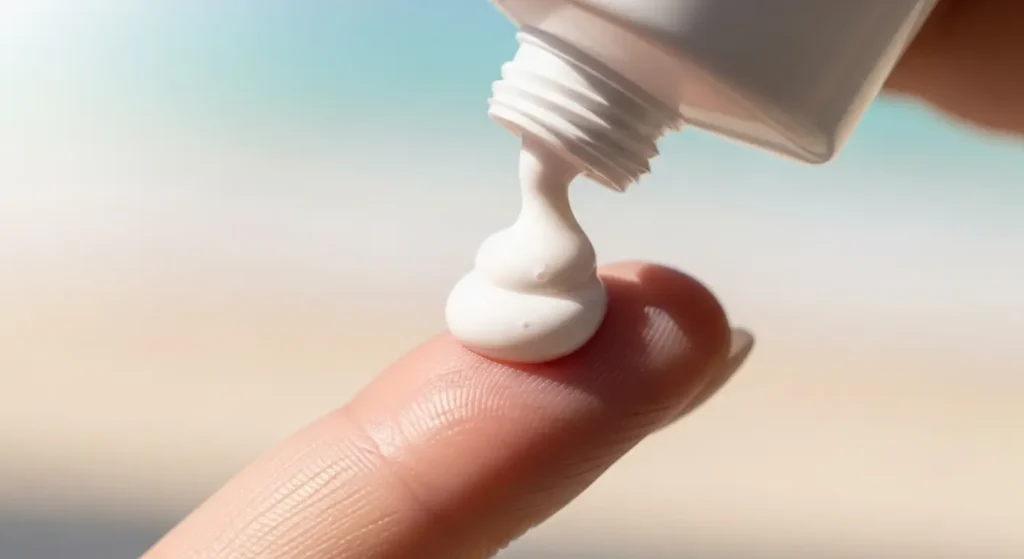
The fix: Think in terms of specific measurements. For the face alone, aim for about a nickel-sized dollop. For the entire body, an adult needs approximately one ounce, which is about a shot glass full.
It might seem like a lot, but this quantity ensures you receive the stated SPF protection. When in doubt, apply a bit more rather than less. Learn how to apply sunscreen correctly from the American Academy of Dermatology.

Mistake 2: Forgetting to Reapply Regularly
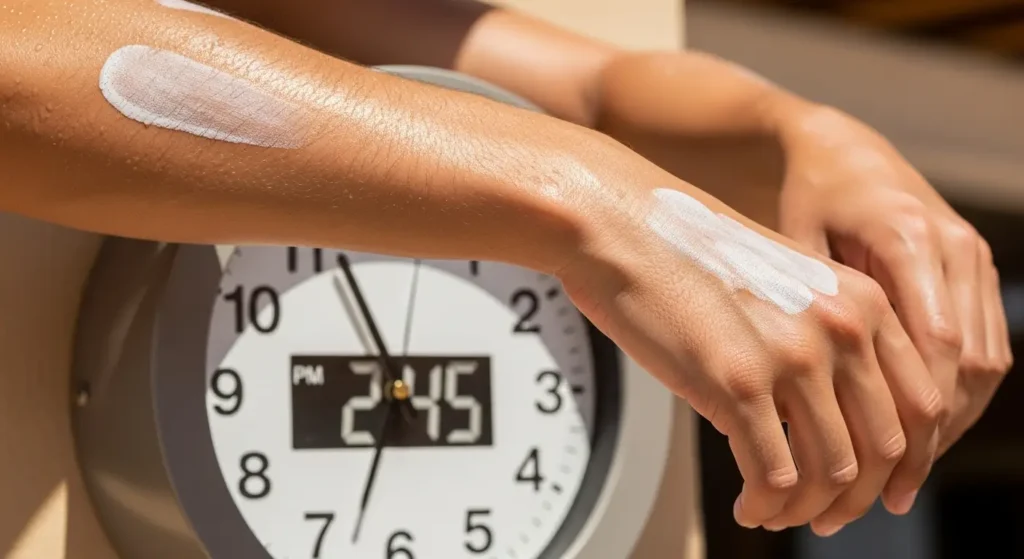
Even if you apply sunscreen generously, its protective power diminishes over time, especially with exposure to water or sweat. Most sunscreens offer protection for about two hours. Many individuals apply sunscreen once in the morning and then forget about it for the rest of the day, leaving their skin vulnerable for hours.
The fix: Reapply sunscreen at least every two hours, or more frequently if you are swimming, sweating heavily, or towel drying. Set a timer on your phone as a reminder, particularly when enjoying outdoor activities. Consistent reapplication is just as important as the initial application. According to the Mayo Clinic, this is one of the most overlooked but essential practices.
Mistake 3: Skipping Sunscreen on Cloudy Days or Indoors
A persistent myth suggests that sunscreen is only necessary on bright, sunny days or when spending extended time outdoors. This leads many to forgo sunscreen when the sky is overcast or when they plan to stay inside. Unfortunately, this leaves skin exposed to damaging UV rays.
The fix: Make sunscreen a daily habit, much like brushing your teeth. UV rays penetrate clouds and windows. UVA rays, which contribute significantly to skin aging and skin cancer, can easily pass through glass. Even if you work indoors near a window, or if it is a dreary, rainy day, your skin still receives UV exposure. Use a broad-spectrum SPF of 30 or higher every single day, regardless of the weather or your immediate plans.
Mistake 4: Relying Solely on Makeup with SPF
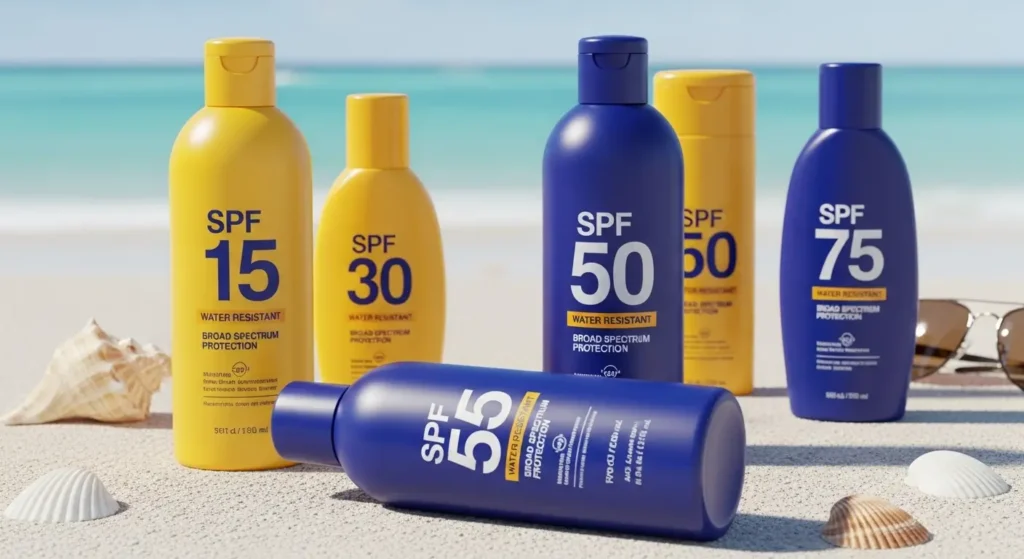
Many foundations, BB creams, and moisturizers now include SPF. While these products offer some level of sun protection, people often make the mistake of believing this alone is sufficient. The reality is, you would need to apply an uncomfortably large amount of makeup to achieve the SPF rating listed on the product.
The fix: Consider makeup with SPF as an added layer of protection, not your primary defense. Always apply a dedicated broad-spectrum sunscreen underneath your makeup. This ensures you receive adequate coverage and the full benefit of sun protection.
Mistake 5: Not Checking the Expiration Date
Sunscreen formulations can degrade over time, reducing their effectiveness. An expired sunscreen may not provide the protection indicated on the label, leaving your skin unknowingly exposed to harmful UV radiation. Many people keep bottles for years, unaware that the contents have lost their potency.
The fix: Most sunscreens have an expiration date printed on the packaging. If yours does not, a general rule is to discard it three years after purchase. Always store sunscreen in a cool, dry place away from direct sunlight and extreme temperatures, which can accelerate degradation. When summer arrives, check your existing sunscreen bottles for freshness.

Conclusion: How to Fix Sunscreen Mistakes That Are Ruining American Skin
By understanding and correcting these sunscreen mistakes that are ruining American skin, Americans can significantly enhance their skin’s protection against sun damage. Consistent, proper use of broad-spectrum SPF is a simple yet profoundly impactful habit for maintaining skin health, preventing premature aging, and reducing the risk of skin cancer. Make these adjustments part of your routine; your skin will thank you for it.