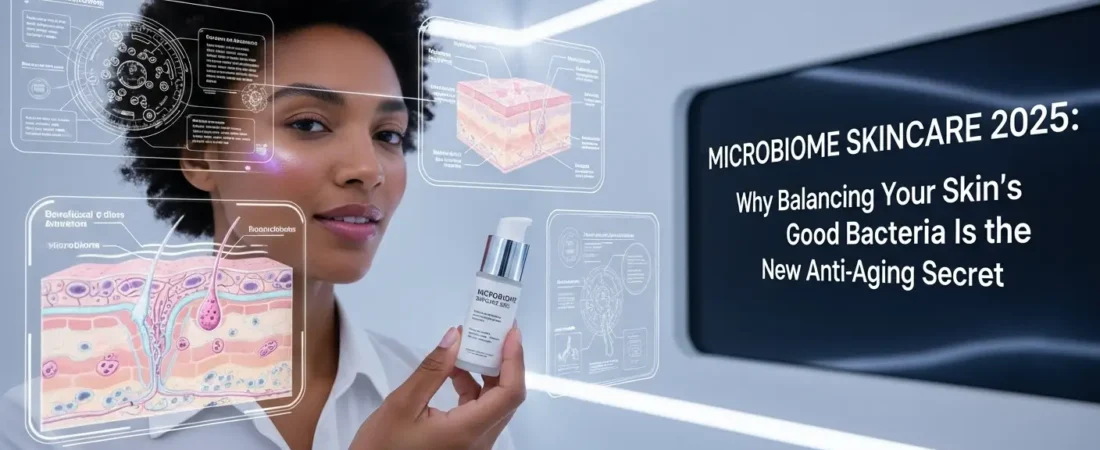
For decades, the anti-aging skincare conversation has focused on a few key ingredients: retinoids to boost collagen and exfoliation to reveal new skin. While these remain important, a new and exciting frontier in dermatology has emerged: Microbiome Skincare 2025.
Scientists are now looking at the trillions of tiny microorganisms that live on your skin—your skin microbiome. We once thought of these bacteria as something to be scrubbed away. Now we know they are a crucial part of our skin’s health and a powerful ally in the fight against aging. In 2025, a new wave of skincare is focused on balancing this delicate ecosystem.
Your Skin’s Secret Garden
Think of your skin as a garden. You have some plants you want to grow (the “good” bacteria) and some weeds you want to keep out (the “bad” bacteria).
When your garden is balanced and healthy, it can protect itself from outside invaders and stay strong. The same is true for your skin. A healthy, diverse microbiome helps your skin’s natural barrier function properly. This barrier keeps moisture in and harmful irritants, pollutants, and environmental stressors out.
When this balance is disrupted—by harsh cleansers, overuse of active ingredients, or even stress—your skin becomes weaker and more vulnerable. This can lead to inflammation, dryness, and a breakdown of collagen, all of which accelerate the signs of aging.
The New Anti-Aging Strategy
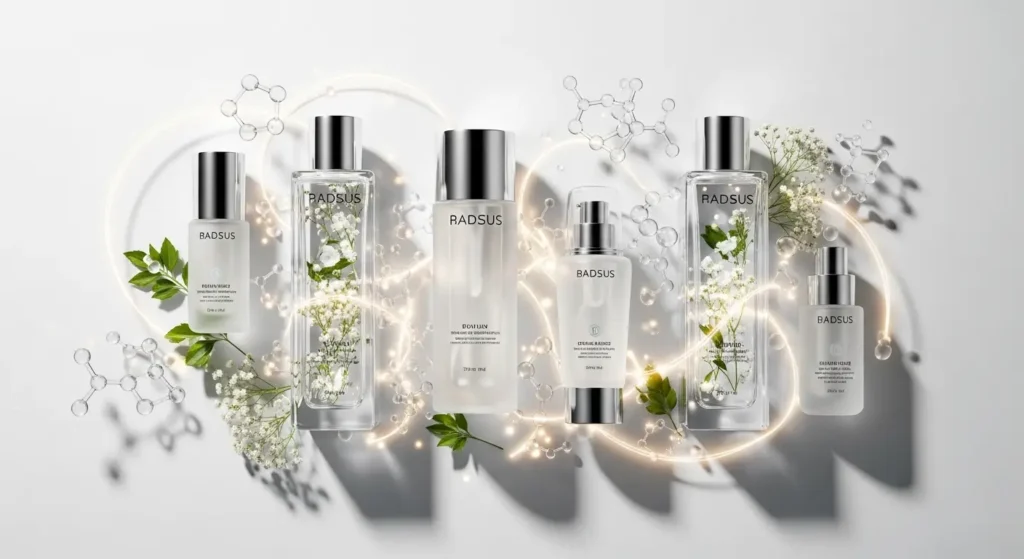
Traditional anti-aging products often use aggressive ingredients to force a change in the skin. In contrast, Microbiome Skincare 2025 aims to work with your skin’s natural processes.
It’s less about attacking wrinkles and more about creating a healthy environment where your skin can thrive and repair itself.
(Related: 6 retinol alternatives you’ll wish you had known sooner)
Prebiotics, Probiotics & Postbiotics
Products designed to support the skin microbiome often contain three types of ingredients:
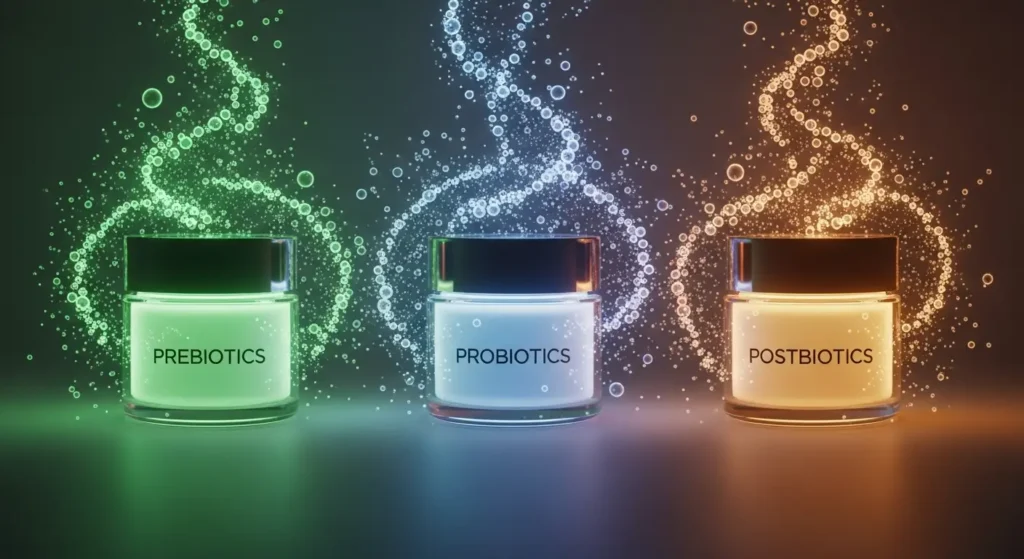
- Prebiotics: These are like fertilizer for your garden. They feed the good bacteria on your skin, helping them grow and flourish. Ingredients like inulin or certain types of oats can act as prebiotics.
- Probiotics: These are the good bacteria themselves. While difficult to keep alive in many products, they are a powerful way to add beneficial organisms back to your skin.
- Postbiotics: These are the beneficial by-products of bacterial fermentation. They calm inflammation, strengthen the skin barrier, and support ceramide production keeping your skin firm and hydrated.
Building a Microbiome-Friendly Routine
This new approach doesn’t mean you have to throw out your favorite products. Instead, it’s about being more mindful of how you treat your skin.
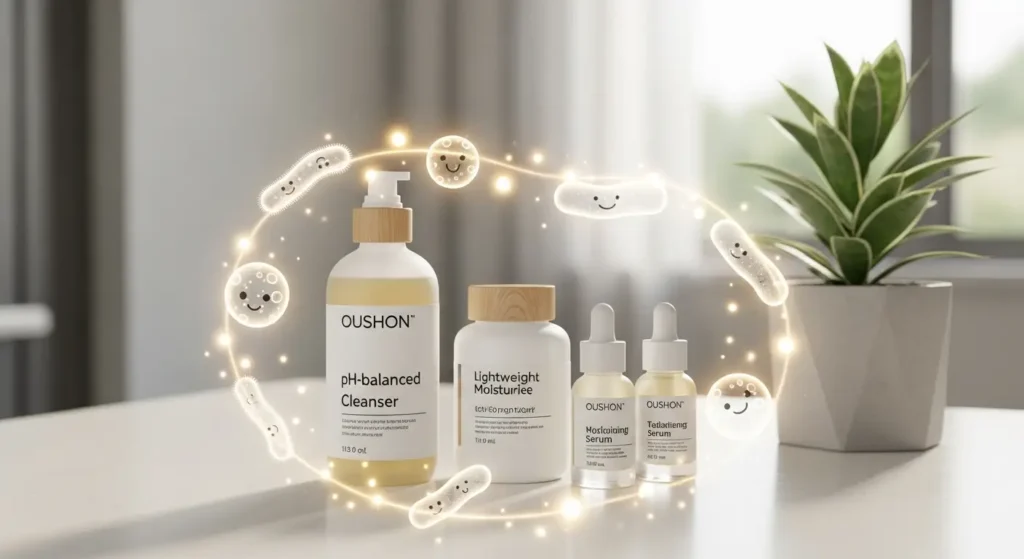
- Start with a gentle, pH-balanced cleanser.
- Avoid over-exfoliating or using a strong retinoid every single night.
- Try skin cycling, alternating active nights with recovery nights to support a balanced microbiome.
By choosing products that nourish and protect your skin’s ecosystem, you’re not just treating a symptom—you’re addressing the root cause of many aging concerns.
It is a smarter, gentler, and more effective way to achieve a youthful and healthy complexion.
(Related: Best Skincare Routines for Beginners)
Final Thoughts
Microbiome Skincare 2025 represents a smarter way to approach anti-aging. By balancing good bacteria through prebiotics, probiotics, and postbiotics, you protect your skin’s barrier, prevent inflammation, and encourage natural repair.
Instead of fighting against your skin, you work with it—building resilience, radiance, and long-term youthfulness.