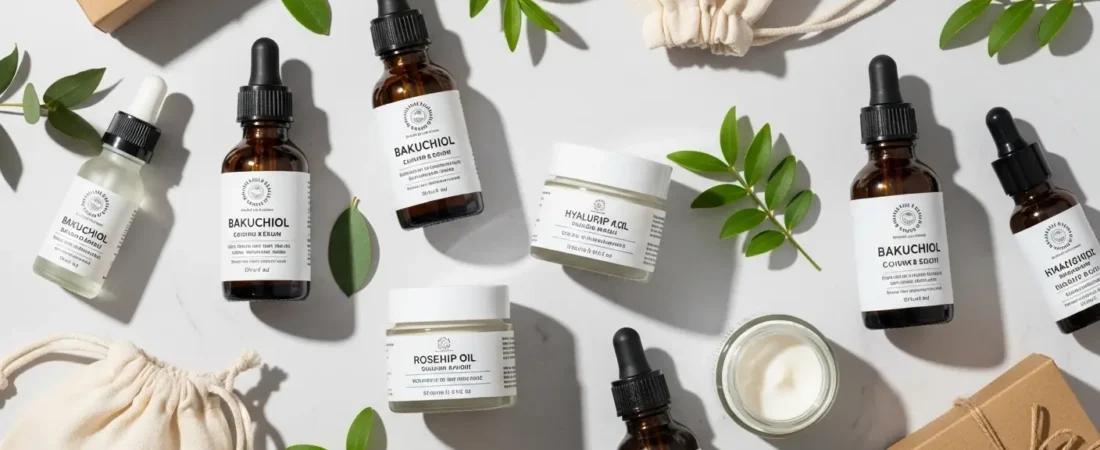
As clean beauty becomes mainstream, more skincare enthusiasts are questioning what goes into their serums and creams. Vegan retinol a plant-derived alternative to synthetic or animal-based retinol is redefining how we approach anti-aging. It’s gentle, sustainable, and just as effective in promoting youthful, glowing skin.
According to dermatologists, this new wave of plant-based skincare isn’t just a trend. It’s the future. Consumers in the USA are actively searching for cruelty-free anti-aging products that deliver real results without irritation or ethical concerns.
In the world of skincare, The Rise of Vegan Retinol: Plant-Based Power for Youthful, Clear Skin has caught the attention of dermatologists and beauty enthusiasts alike.
For decades, traditional retinol has been praised for reducing fine lines, wrinkles, and dark spots. However, irritation and sensitivity often discourage consistent use, leading to a demand for gentler alternatives that deliver comparable results.
What Is Vegan Retinol?
Vegan retinol refers to plant-based compounds that mimic conventional retinol. The most famous is bakuchiol, extracted from the seeds of the babchi plant, widely used in Ayurvedic medicine. Unlike traditional vitamin A derivatives, bakuchiol has a unique chemical structure but produces similar anti-aging and skin-brightening effects.
Other plant-based alternatives include:
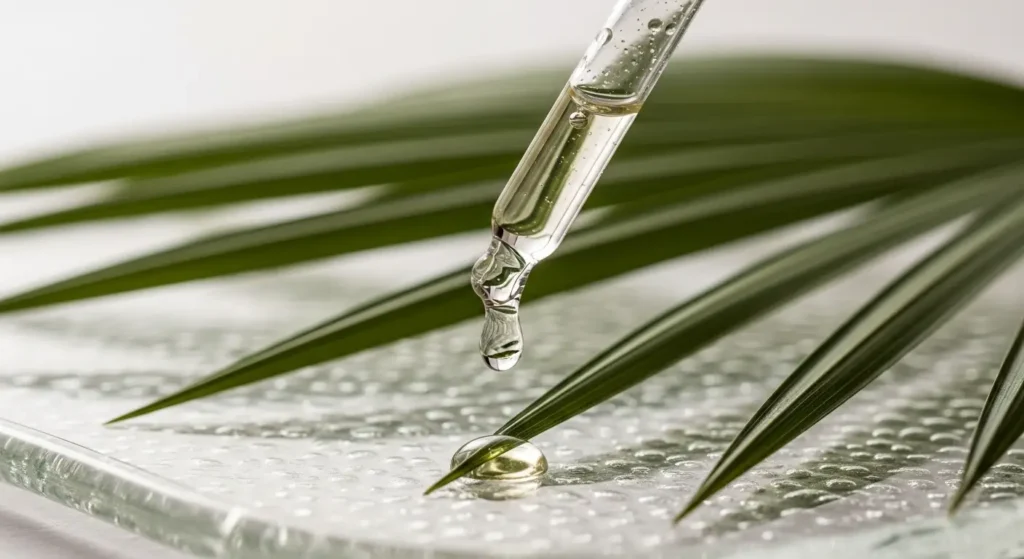
- Rosehip seed oil — rich in fatty acids and small amounts of retinoic acid.
- Carrot seed oil — high in beta-carotene, a precursor to vitamin A.
For more plant-based skincare insights, see this external blog on natural anti-aging ingredients.
The Gentle Approach to Skincare
The appeal of vegan retinol lies in its gentle effectiveness. Many users of traditional retinol face dryness, flaking, and sun sensitivity during the purging phase.
Bakuchiol and other plant-based alternatives offer:
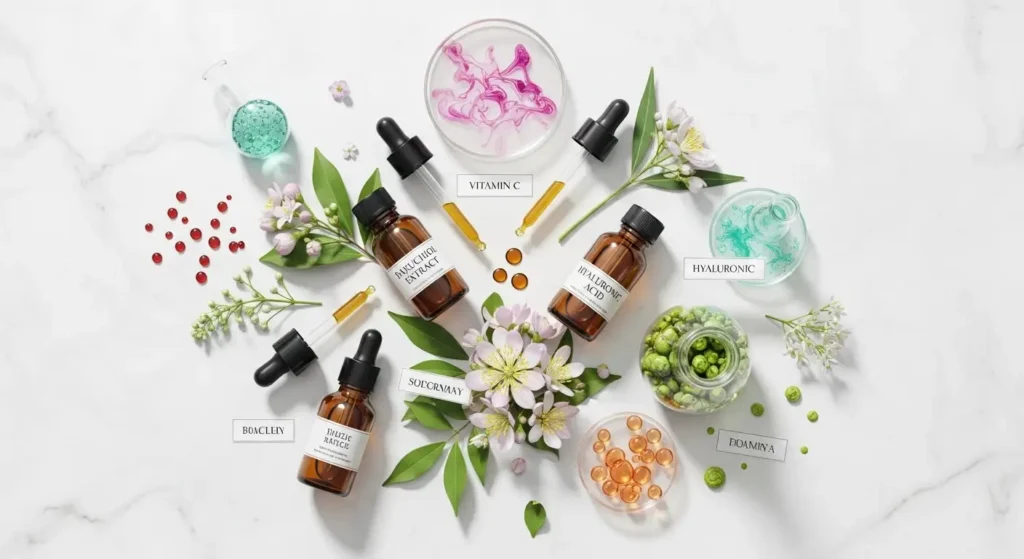
- Improved cell turnover
- Boosted collagen production
- Minimal irritation
These compounds are suitable for sensitive skin and can even be applied during the day when paired with sunscreen, making adherence easier and more consistent.
Internal link suggestion: Learn more about gentle skincare routines on Centsibleway’s Skincare Tips.
Sustainability and Ethical Impact

Beyond skincare benefits, vegan retinol supports an eco-conscious lifestyle. Most brands use sustainably sourced botanicals and recyclable packaging, aligning with the values of today’s mindful consumers. Choosing vegan products means supporting cruelty-free testing and a smaller environmental footprint. One skincare bottle at a time.
Explore more about eco-friendly beauty trends on CentsibleWay.com.
Internal link suggestion:
→ Link to your “Decoding Your Skincare” or “Crafting an Effective Skincare Routine on a Budget” blog.
External link suggestion:
→ American Academy of Dermatology – Retinol Tips
A Look at the Evidence
Research supports vegan alternatives:
- A 2018 study in the British Journal of Dermatology compared bakuchiol and retinol over 12 weeks.
- Both reduced wrinkles and hyperpigmentation, but bakuchiol caused less stinging and scaling.
This demonstrates that plant-based options can deliver results comparable to traditional retinol, but with fewer side effects.
Why Consumers Are Turning to Plant-Based Retinol
The rise of vegan retinol reflects a shift in consumer values. People seek:
- Effective, ethical solutions
- Products aligned with personal and environmental ethics
- Skincare that is gentle yet powerful
Vegan retinol doesn’t replace traditional retinol but expands choices for achieving youthful, clear skin. It’s a testament to plant-based science and modern skincare innovation.
How to Use Vegan Retinol for Best Results
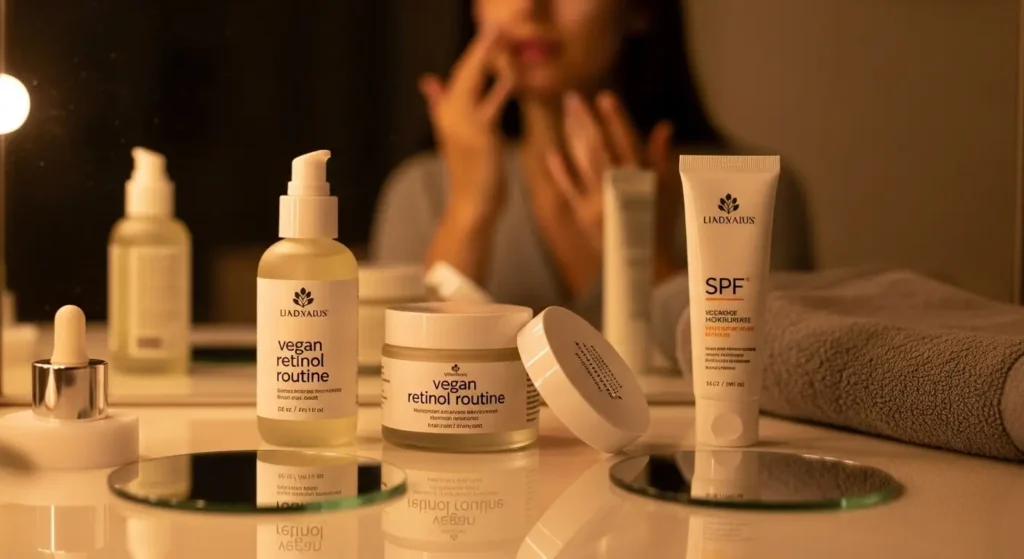
To make the most of vegan retinol, consistency is key. Start by applying it 3–4 times a week during your nighttime routine. Pair it with a hydrating moisturizer and broad-spectrum sunscreen in the morning to protect your renewed skin.
Always patch-test first. Even natural ingredients can cause mild sensitivity. With regular use, you’ll notice smoother texture, reduced fine lines, and a healthier glow within 6–8 weeks.
The rise of vegan retinol marks more than a beauty shift. It’s a movement toward conscious skincare. Whether you’re avoiding irritation or choosing products that align with your values, plant-based retinol offers a perfect balance of science and sustainability.
As 2025 continues, expect more skincare brands to embrace vegan, cruelty-free innovation. Proving that beautiful skin and ethical choices can truly go hand in hand.
🌿 Discover more affordable and dermatologist-approved skincare guides at CentsibleWay.com.