Why Expensive Beauty Products Don’t Always Work Better 2025
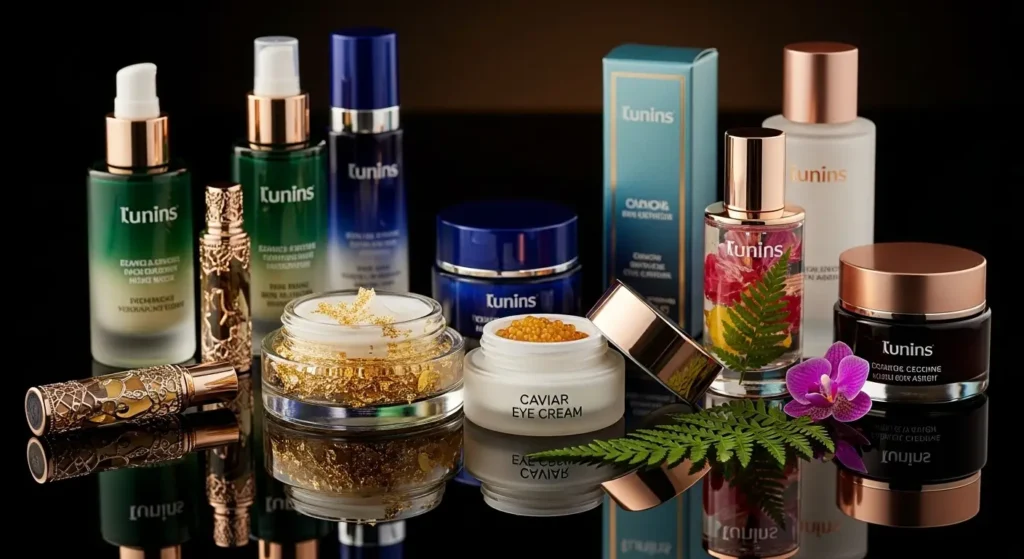
Expensive Beauty Products; In the USA, many expensive beauty products carry high price tags not just for ingredients, but for packaging, celebrity endorsements, and marketing. For example, luxury serums often cost hundreds of dollars even if the active ingredient is similar to drugstore alternatives. Understanding these factors helps consumers make informed choices without overspending.
The Psychology of Premium Pricing
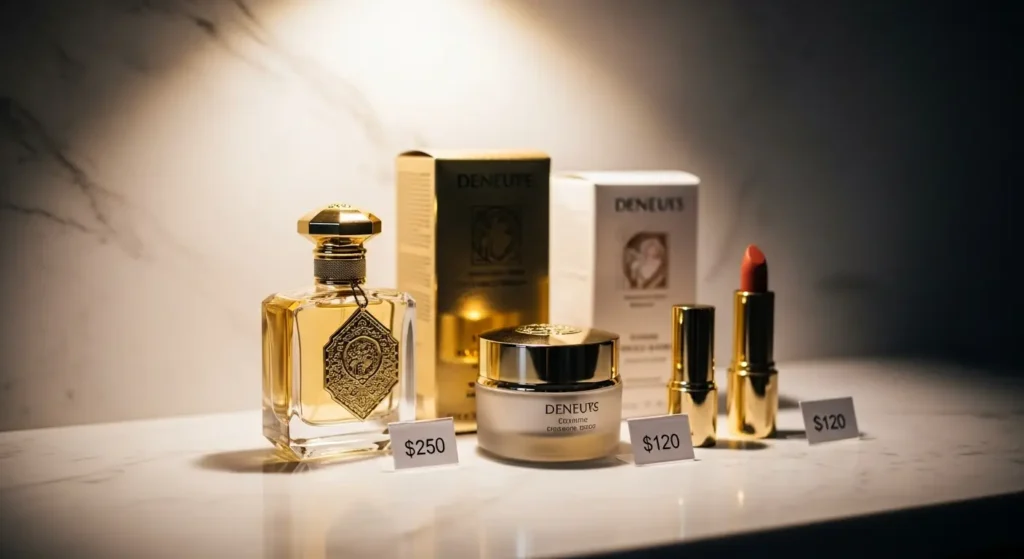
Our brains play tricks on us when we shop for beauty products. We’ve been conditioned to believe that higher prices equal superior results.
This mental shortcut, called the price-quality heuristic, makes us assume expensive items work better.
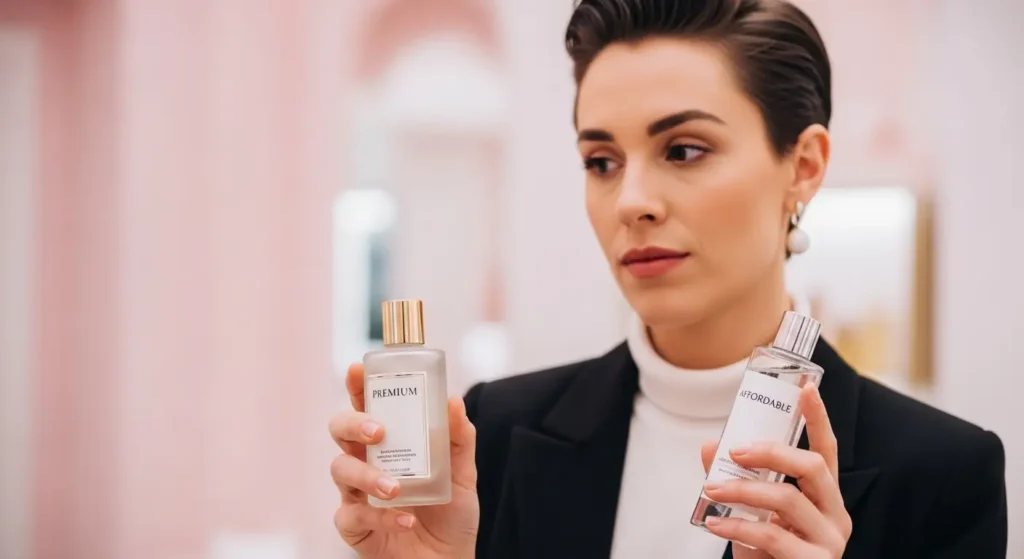
👉 Researchers even tested this: when women were given identical moisturizers. One labeled as luxury, one generic. They rated the luxury one more effective. Same formula, same results. Just different expectations.
The beauty industry thrives on this perception. With clever marketing, premium lines make us feel sophisticated just by buying them.
Brand prestige (charging more simply because they can).
Research & development (sometimes real, often just repackaged ideas).
Expensive Beauty Products: Are They Really Worth It?
Many skincare enthusiasts in the USA wonder if expensive beauty products are worth their high price tags. While some luxury items deliver premium ingredients and advanced formulations, others rely more on branding and packaging. Understanding the real value behind these products helps consumers make smarter choices and avoid overspending on items that may not offer noticeable benefits.
Ingredients That Justify High Prices
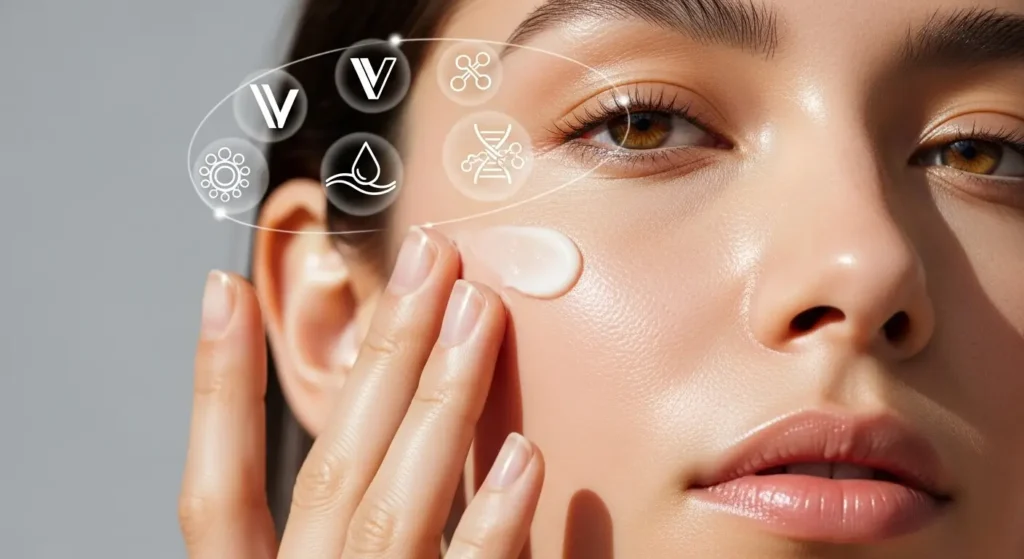
Some expensive beauty products include rare or clinically proven ingredients, like peptides, hyaluronic acid, or antioxidants, that can improve skin hydration, elasticity, and overall appearance. In the U.S. market, brands often highlight these ingredients to justify higher costs. However, it’s important to compare ingredient lists with more affordable alternatives .sometimes the same active compounds are available in drugstore options at a fraction of the price.
Tips for Smart Skincare Shopping in the USA
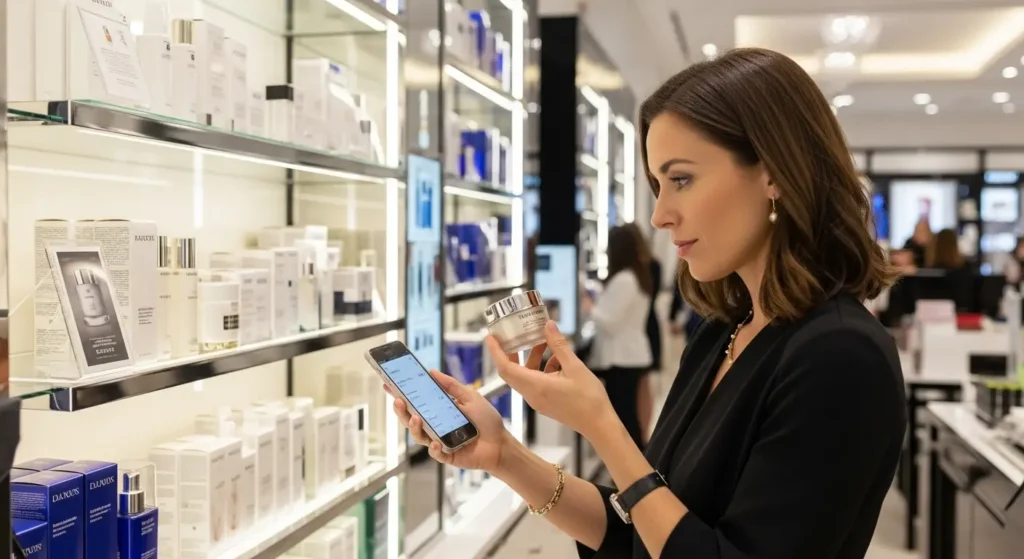
When considering expensive beauty products, research is key. Check ingredient labels, read verified reviews, and compare prices across stores or online platforms. Look for seasonal discounts or U.S.-based promotions from reputable retailers. Another tip is to try smaller sizes or sample kits before investing in full-size luxury items. This strategy ensures you get the benefits of premium skincare without unnecessary spending.
A lot of the cost is tied to perception, not performance.
The Ingredient Reality Check
Here’s the truth: the FDA regulates ingredients, not prices.
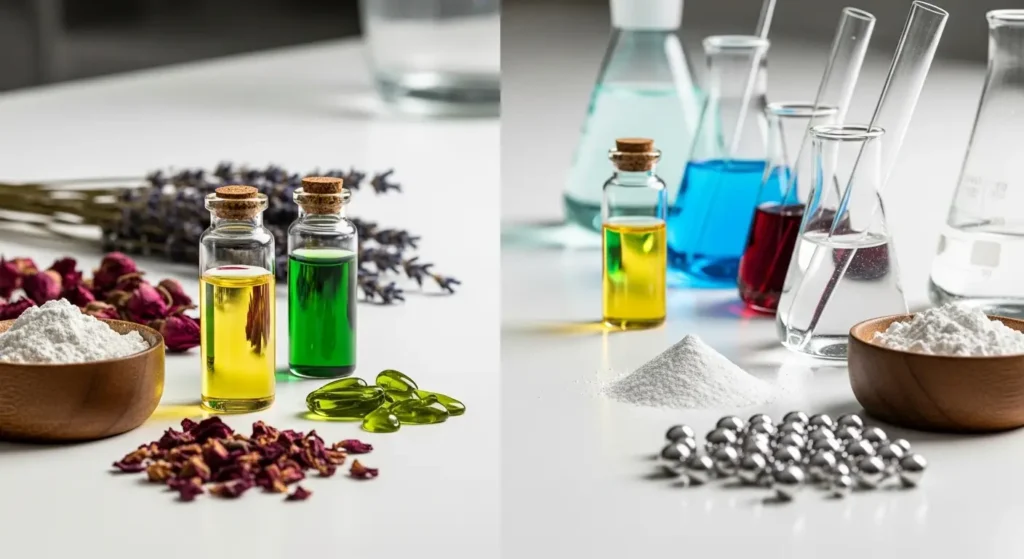
A $200 serum and a $20 serum might contain nearly identical active compounds.
Retinol, niacinamide, vitamin C, hyaluronic acid, salicylic acid all work the same regardless of brand.
The formulation and concentration matter more than a fancy name on the label.
💡 For deeper skincare ingredient guides, Healthline has a great breakdown of effective skincare actives.
When Expensive Actually Matters
Not all luxury products are hype. Sometimes higher cost = better experience:
Texture & application: luxury foundations often blend seamlessly.
Elegant formulations: moisturizers that absorb faster.
Novel ingredient combos: unique compounds or delivery systems.
Quality control: more rigorous testing standards.
So yes, there are cases where spending more can enhance your routine.
The Smart Shopper’s Strategy
Before buying a $150 eye cream, ask:
What ingredients make this product special?
Are these ingredients in cheaper alternatives?
What skin issue am I actually solving?
Often, a simple $15 cleanser can outperform a $75 alternative, if it’s better suited to your skin.
Real-World Examples
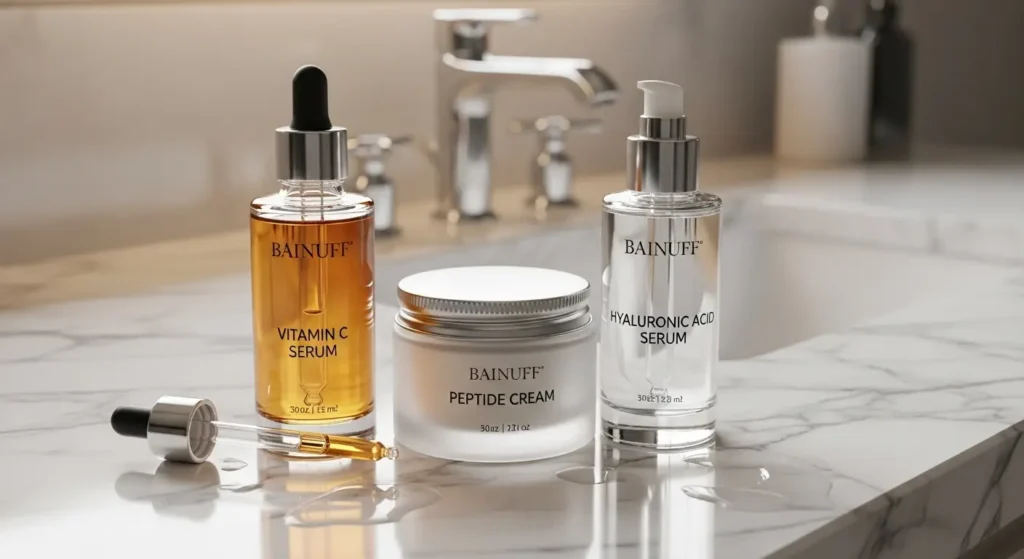
A $165 luxury vitamin C serum and an $8 drugstore version can both contain 10% L-ascorbic acid.
Both brighten skin. The difference? The luxury option adds antioxidants & luxe packaging, while the cheaper one just delivers the vitamin C effectively.
For many, results are the same experience is what differs.
The Bottom Line
Your skin doesn’t read price tags. It responds to ingredients and formulation.
Splurge if it makes you feel good.
Save if you want performance without the hype.
The best skincare investment is knowledge, not always the priciest cream.
Sometimes, the smartest choice is not the most expensive one. It’s the one that works best for your skin.