

The End of Slugging: Why ‘Cloud Skin’ Is Taking Over Beauty Routines in 2025 ; the glossy, petroleum jelly-slicked faces that dominated social media feeds are officially yesterday’s news. After years of slugging—the practice of sealing skincare with heavy occlusives like Vaseline—beauty enthusiasts are moving toward something completely different. Enter cloud skin, the hydration trend that promises plump, bouncy skin without the greasy aftermath.
What Exactly Is Cloud Skin?
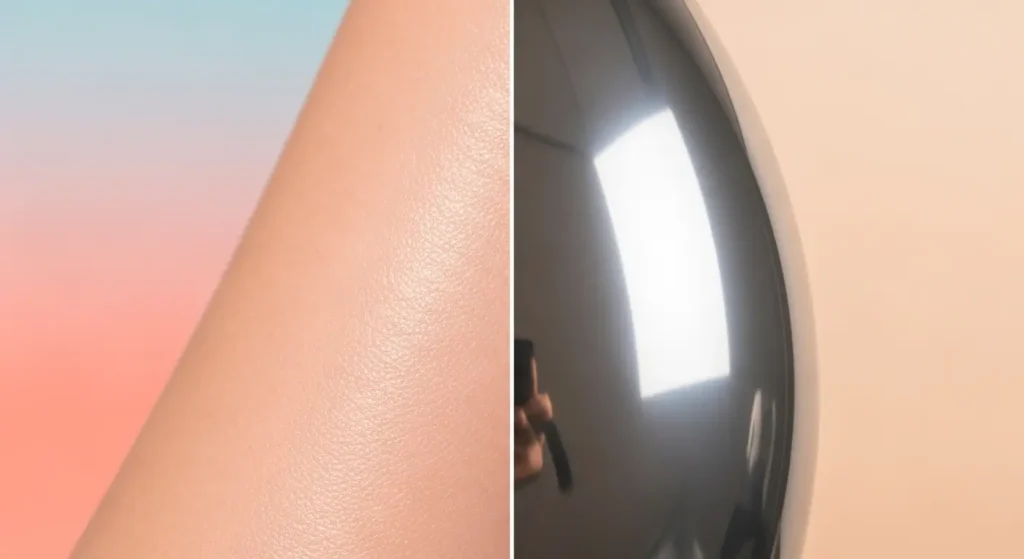
Cloud skin focuses on creating a soft, pillowy complexion that looks naturally hydrated from within. Think of the difference between a shiny balloon and a perfectly ripe peach. The balloon reflects light harshly, while the peach has that subtle, healthy glow. Cloud skin aims for the peach effect.
This trend emphasizes lightweight, water-based products that absorb completely into the skin. Instead of creating a barrier on top of your face, cloud skin products work by flooding skin cells with moisture and keeping them plump throughout the day.
💡 Related: How to Build a Skincare Routine That Lasts
Why Slugging Lost Its Appeal

Slugging certainly had its moment. The technique, borrowed from Korean skincare routines, helped many people repair damaged skin barriers and combat dryness. But the reality of walking around with a face full of petroleum jelly became less appealing over time.
The main issues with slugging were practical. The sticky residue transferred onto pillowcases, hair, and clothing. Many people found their skin looked artificially shiny rather than naturally healthy. Plus, the heavy occlusives could clog pores for those with acne-prone skin.
Dr. Sarah Chen, a dermatologist in Los Angeles, explains the shift: “Patients started asking for hydration that looked more natural. They wanted the benefits of deep moisture without feeling like they had applied a layer of plastic wrap to their faces.”
👉 Read More: The Science Behind Korean Skincare (external blog)
The Science Behind Cloud Skin

Cloud skin products typically contain ingredients that work differently than traditional occlusives. Hyaluronic acid, glycerin, and ceramides pull moisture into the skin rather than just sitting on top. These ingredients can hold up to 1,000 times their weight in water, creating that bouncy, elastic feeling.
The key difference lies in molecular size. Cloud skin formulations use multiple weights of hyaluronic acid—some small enough to penetrate deeply, others large enough to provide surface hydration. This creates layers of moisture at different skin depths.
How to Achieve Cloud Skin
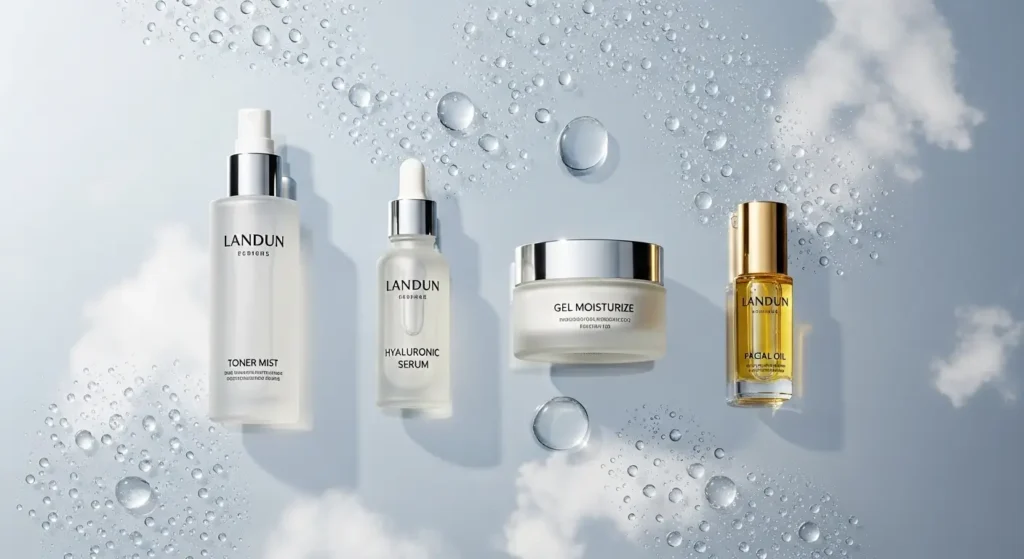
Building a cloud skin routine requires a strategic approach to layering products. Start with the thinnest consistency and work up to slightly thicker formulas, allowing each layer to absorb completely.
- Begin with a hydrating toner or essence on damp skin.
- Apply a lightweight serum containing hyaluronic acid or sodium hyaluronate. Wait about 30 seconds for absorption.
- Follow with a water-gel moisturizer that feels almost weightless but provides lasting hydration.
- Finish with a few drops of facial oil pressed gently into the skin—not rubbed.
The entire process takes about five minutes, compared to slugging’s simple one-step application. But the results last longer and look more natural throughout the day.
Popular Cloud Skin Products
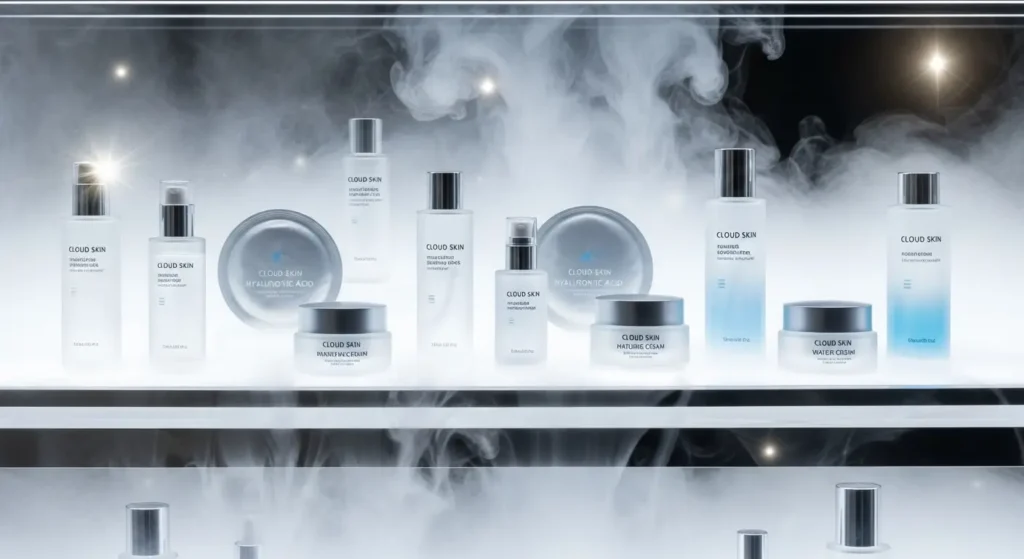
Several brands have launched products specifically designed for this trend. Korean beauty companies, already experts in hydration, have introduced “water sleeping masks” that provide overnight moisture without the heaviness of traditional night creams.
American brands have responded with their own interpretations. Lightweight gel moisturizers infused with marine extracts, plant-based hyaluronic acid serums, and water-cream hybrids now fill beauty store shelves.
The price range varies significantly. Drugstore options start around $15, while high-end formulations can cost $200 or more. The key ingredient lists often look similar across price points, making affordable options quite effective.
Who Benefits Most from Cloud Skin
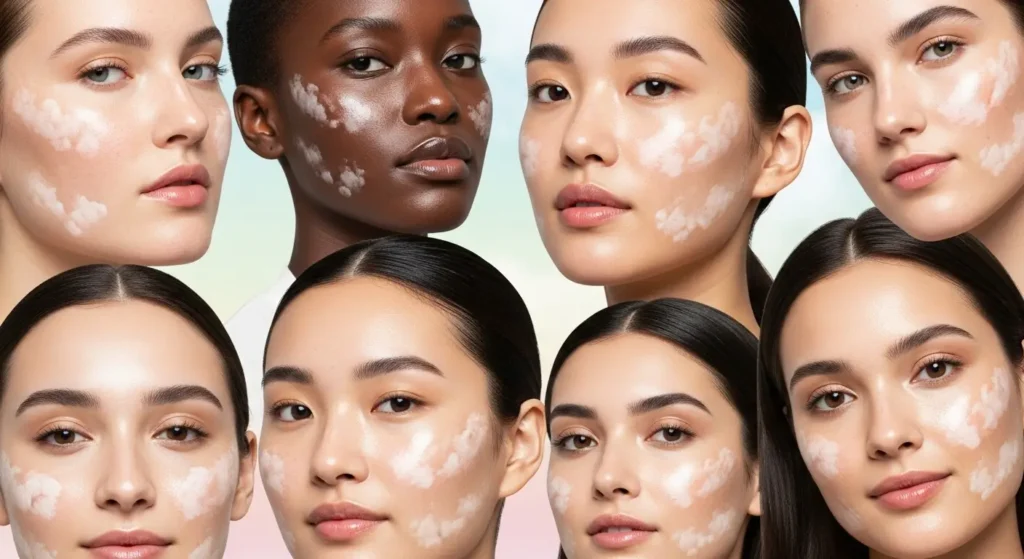
This trend works particularly well for people with oily or combination skin who previously avoided heavy moisturizers. The lightweight formulas provide necessary hydration without triggering excess oil production.
Those living in humid climates also prefer cloud skin over slugging. Heavy occlusives can feel suffocating in hot, sticky weather, while water-based products feel refreshing and cooling.
However, people with severely dry or damaged skin might still need the barrier protection that slugging provides. Cloud skin works best as a maintenance routine rather than a repair treatment.
The Morning After Test

The real proof of cloud skin’s effectiveness shows up in the morning. Instead of waking up with product residue on your pillowcase, you wake up with skin that feels soft and looks naturally radiant. There are no greasy patches, no sticky feeling, and no need to wash your face immediately upon waking.
This convenience factor has driven much of the trend’s popularity. People can complete their nighttime routine and go to bed without worrying about transferring products to their bedding or partner.
Looking Ahead
Beauty trends cycle through phases, but cloud skin addresses real problems that slugging created. The focus on natural-looking hydration aligns with the broader movement away from obviously artificial beauty effects.

As more people return to offices and social activities, the demand for skincare that works invisibly throughout the day continues to grow. Cloud skin delivers the moisture benefits without the visual evidence that you are wearing any products at all.
This shift represents a maturation in skincare trends. Instead of following dramatic techniques for their novelty value, consumers now prioritize effectiveness combined with wearability. Cloud skin manages to be both trendy and practical—a combination that suggests it might have more staying power than its predecessor.
The end of slugging does not mean the end of intensive hydration. It simply means we have found a more elegant way to achieve the same results.