
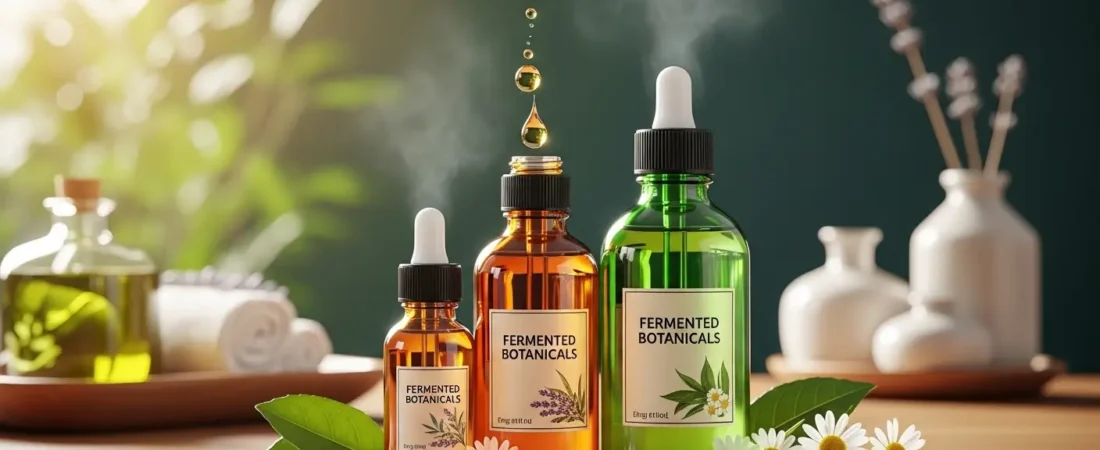
Best Fermented Botanicals in Body Oils: The Next Wellness Innovation 2025 are revolutionizing skincare in 2025. From fermented green tea body oil to chamomile extracts, these natural, bioactive ingredients enhance skin absorption and deliver powerful anti-aging and microbiome-friendly benefits. Discover how fermented skincare products and organic plant-based oils can elevate your daily routine, leaving your skin glowing, nourished, and truly revitalized.
The Science Behind Fermentation
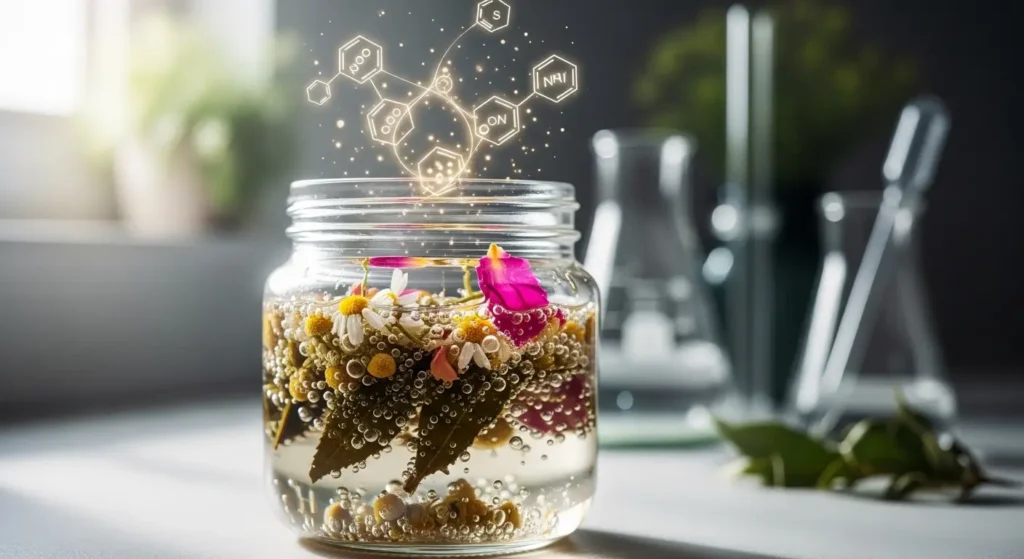
The beauty industry has discovered what ancient brewing cultures knew centuries ago: fermentation transforms ordinary ingredients into extraordinary skincare powerhouses.
Fermentation breaks down plant materials at the molecular level, creating smaller compounds that penetrate skin more easily. When beneficial bacteria consume sugars and starches in botanicals, they release new bioactive compounds and unlock hidden nutrients.
Just as fermentation transforms grapes into wine or milk into yogurt, it works wonders on botanicals like chamomile, calendula, and rose petals. The result? Potent, skin-loving compounds ready for deep absorption.
🔗 Related: Skincare tips for healthier skin
Why Body Oils Make Perfect Carriers
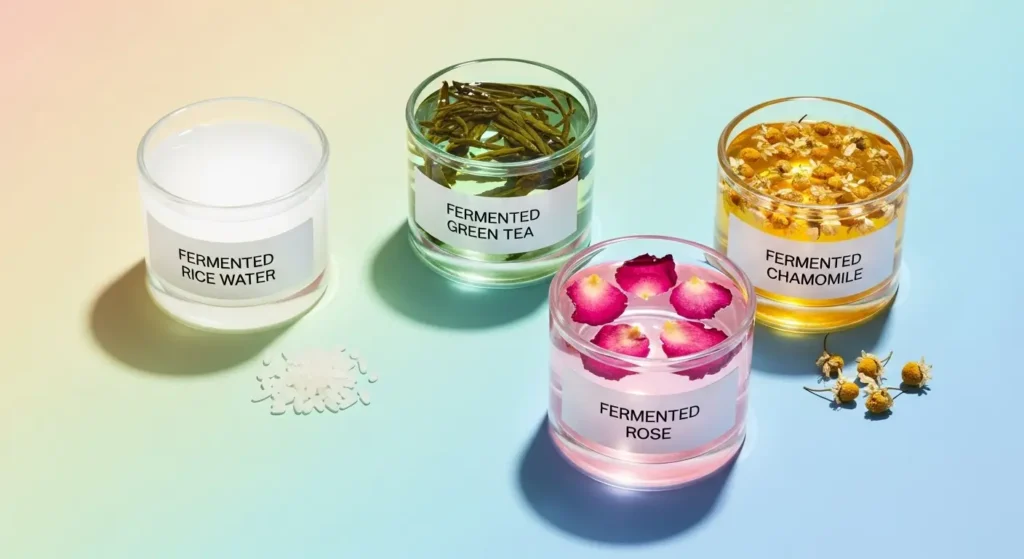
Body oils are ideal for delivering fermented botanicals. Oils keep the water-soluble compounds stable while allowing for deep penetration into the skin.
Unlike traditional extracts that struggle with bioavailability, fermentation pre-digests plant materials, making their nutrients instantly available for the skin.
Popular Fermented Botanicals
Several fermented botanicals are shaping the skincare industry in 2025:
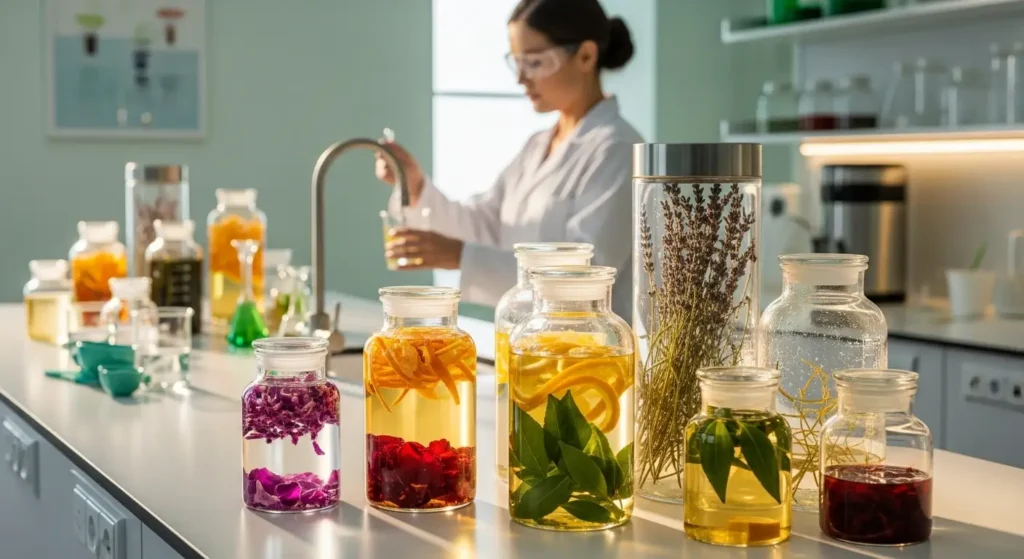
Fermented Rice Water – Rich in amino acids and vitamins for brightness and softness.
Fermented Green Tea – Boosted antioxidants and bioavailable polyphenols for hydration.
Fermented Flower Waters (rose, lavender, chamomile) – Enhanced anti-inflammatory properties and subtle fragrance.
🔗 External reference: The Klog – Fermented Skincare Explained
The Production Process
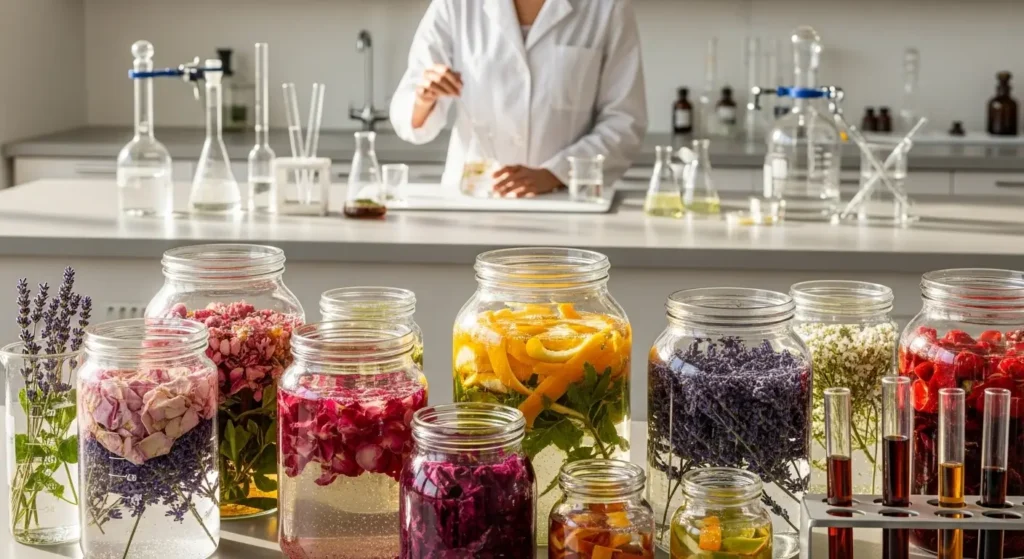
Creating fermented botanical body oils requires precise timing, temperature control, and bacterial cultures. Fermentation can take days to months, with longer times unlocking stronger therapeutic effects.
After fermentation, the extracts are blended with carrier oils like jojoba, argan, or sunflower seed. The potency depends on the extract-to-oil ratio.
Benefits Users Report
Users describe fermented body oils as:
✔️ Faster-absorbing with less residue
✔️ Softer, more radiant skin
✔️ Longer-lasting hydration
✔️ Gentler on sensitive skin
Because fermentation boosts bioavailability, results are often visible within days instead of weeks.
🔗 Related: Simple ways to improve wellness
Comparing Costs and Value
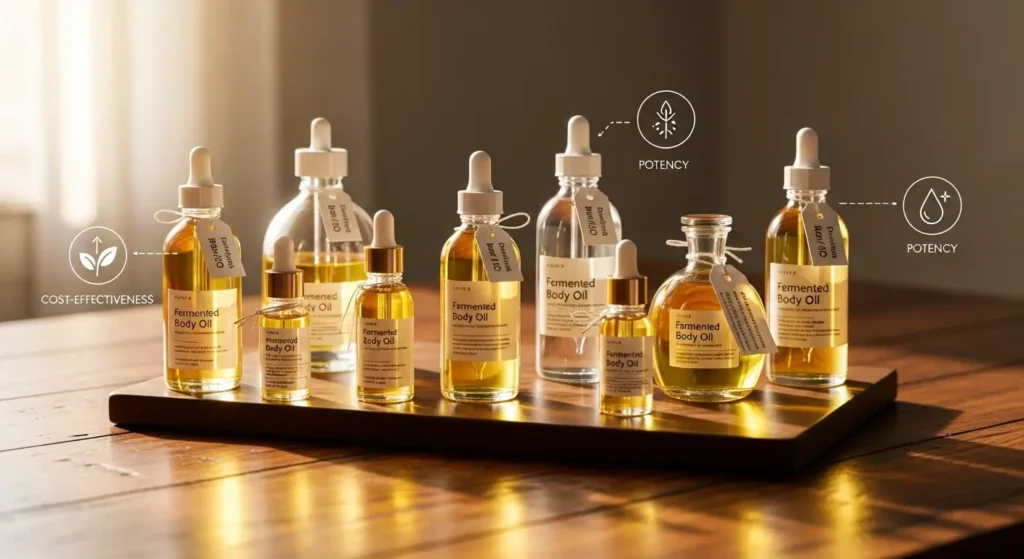
Fermented oils are priced higher—usually $40 to $120 for a 4oz bottle—due to the advanced process. But since they’re more potent, smaller amounts deliver better results, making them cost-effective long-term.
Shelf life ranges from 12 to 18 months when stored properly.
Quality Control Considerations
Not all fermented botanical products are equal. Look for:
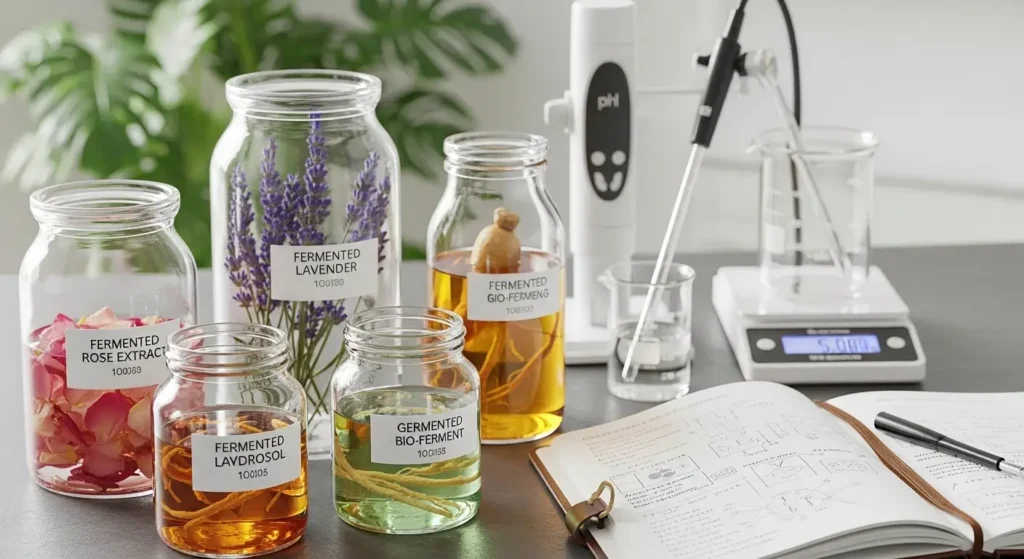
Clear fermentation details (time, method, cultures)
Third-party testing or Certificates of Analysis
Transparency from manufacturers
🔗 External resource: Lab Muffin Beauty Science on skincare science
Skin Types and Compatibility
Fermented body oils are suitable for most skin types:
Dry skin – Deep hydration & barrier repair
Oily skin – Sebum regulation (fermented green tea)
Sensitive skin – Reduced irritants, concentrated benefits
The Future of Fermented Skincare
Research continues to explore new fermentation methods and botanicals. Future innovations may even create novel therapeutic compounds not found in raw plants.
This movement blends ancient wisdom with modern biochemistry, making fermented botanical body oils one of the most exciting skincare innovations of 2025.
🔗 Related: Self-care & wellness lifestyle guides