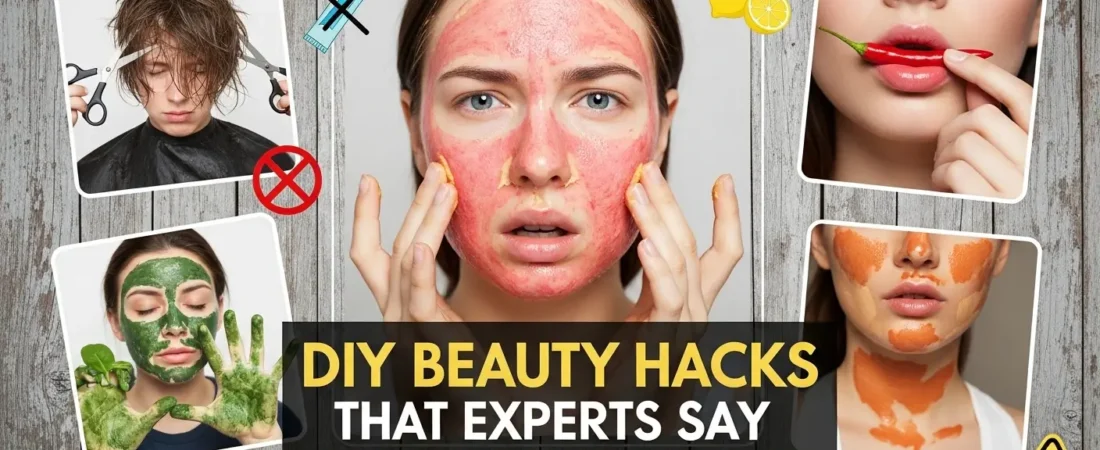
DIY Beauty Hacks That Experts Say You Shouldn’t Use The world of beauty is full of innovative products and treatments—but DIY “beauty hacks” from the internet often do more harm than good. Experts, especially dermatologists and estheticians, warn that some homemade remedies are not only ineffective but can seriously damage your skin and hair. This article uncovers common DIY hacks you should skip—and explains why they’re risky.
Using Lemon Juice on Your Skin
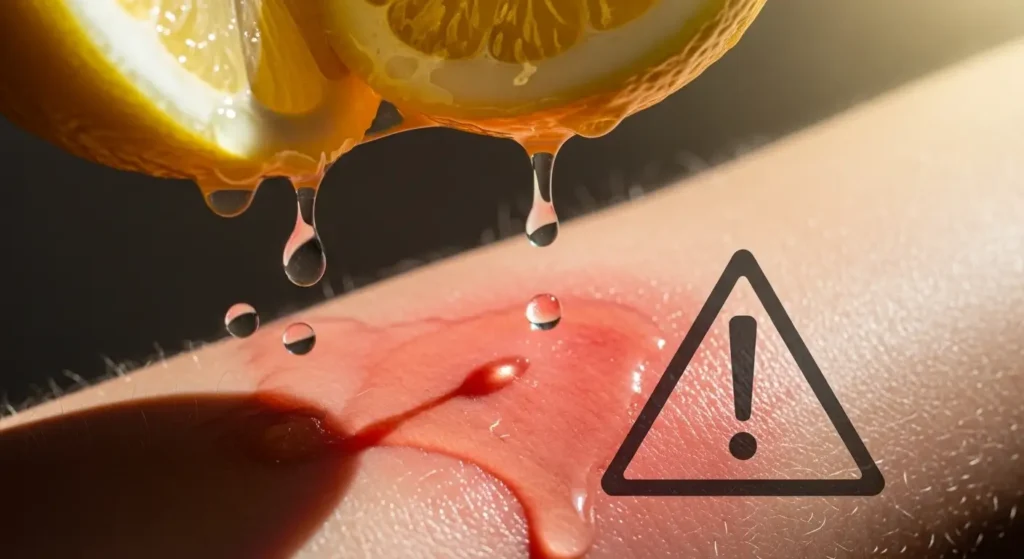
One popular hack is applying lemon juice to brighten skin, fade dark spots, or treat acne. Although its citric acid may seem effective, lemon juice is highly acidic, can irritate, disrupt your skin’s pH balance, and increase sun sensitivity—leading to burns and dark spots. Studies warn untreated lemon juice can lead to stubborn hyperpigmentation.
For safer brightening alternatives, explore dermatologist-recommended Vitamin C serums or Allure’s guide to natural brightening.
Allure,New Beauty
Perfect to embed in sections discussing homemade masks—adds real recipes and practical value DIY Skincare Recipes from Kitchen Ingredients That Actually Work
Physical Exfoliation: Sugar, Salt, & Baking Soda
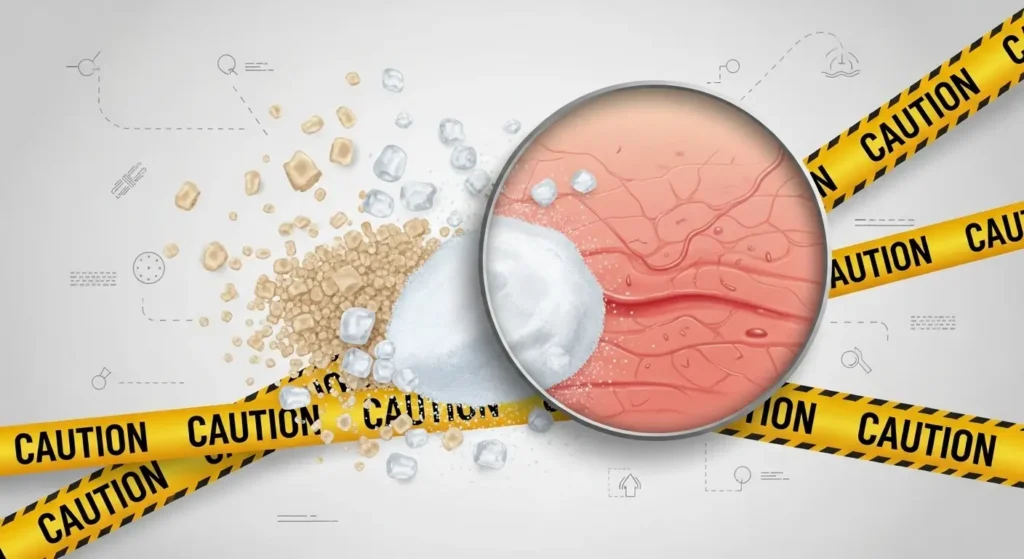
DIY scrubs using sugar, salt, or baking soda may feel effective, but their coarse texture and abrasive properties can cause micro-tears in your skin’s barrier. Experts prefer gentle chemical exfoliants like AHAs or BHAs, which remove dead cells without damage.
Learn about safe exfoliation alternatives from this Self article on risky DIY beauty hacks.
SELF
Great for backing up claims about natural kitchen staples—boosts content relevance 5 Ingredients in Your Pantry That Double as Skincare
Toothpaste on Pimples
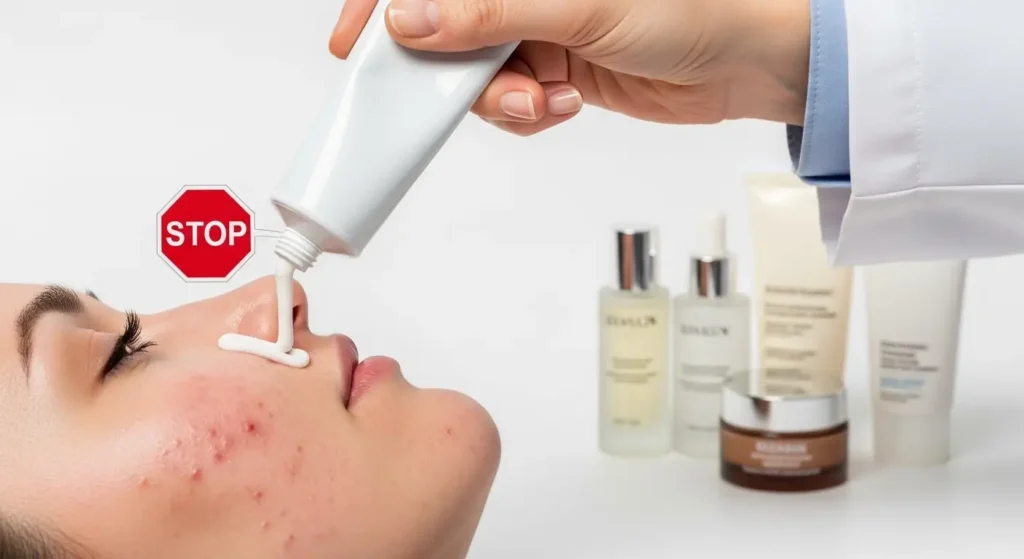
A long-standing myth says toothpaste helps dry out pimples. In reality, toothpaste contains harsh ingredients—like menthol, hydrogen peroxide, and baking soda—that can irritate skin, cause chemical burns, and even worsen acne issues. Dermatologists strongly discourage this.
Instead, use gentle spot treatments with benzoyl peroxide or salicylic acid or natural alternatives like aloe vera or tea tree oil.Crafting an Effective Skincare Routine on a Budget,
References:
- Byrdie’s myth-buster on toothpaste
- Medical News Today on toothpaste risk
- Curology’s expert advice
(byrdie.com, verywellhealth.com, medicalnewstoday.com, curology.com)
DIY Hair Lightening with Hydrogen Peroxide
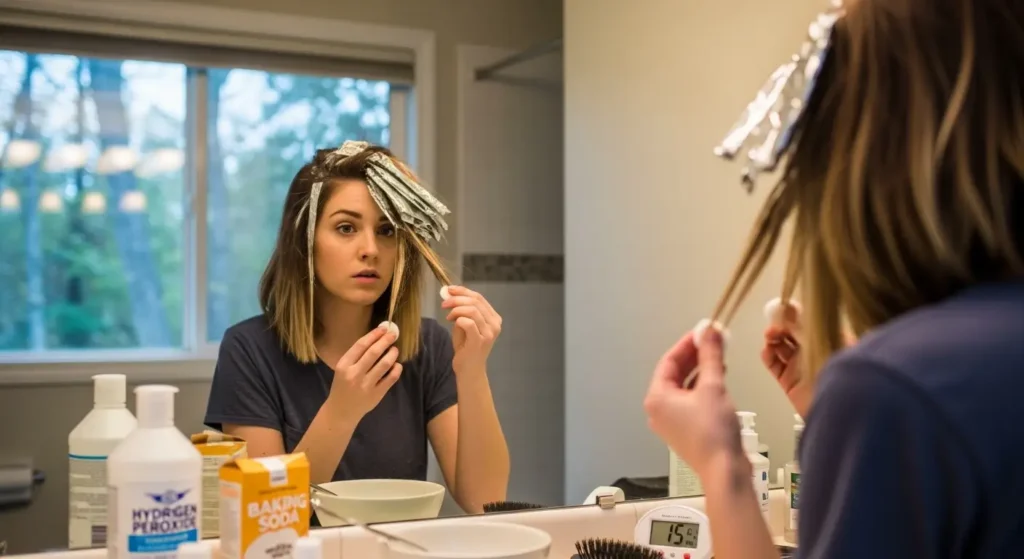
Using hydrogen peroxide at home to lighten hair can result in uneven color, dryness, and breakage. Professional stylists use it in strictly measured doses, with protective formulas to minimize damage—not what’s found in household products.
Final Note: While some DIY masks using natural ingredients (like honey or oats) can work beautifully, always lean on clinically tested, professionally formulated treatments for anything beyond gentle home care. Your skin and hair will thank you.