
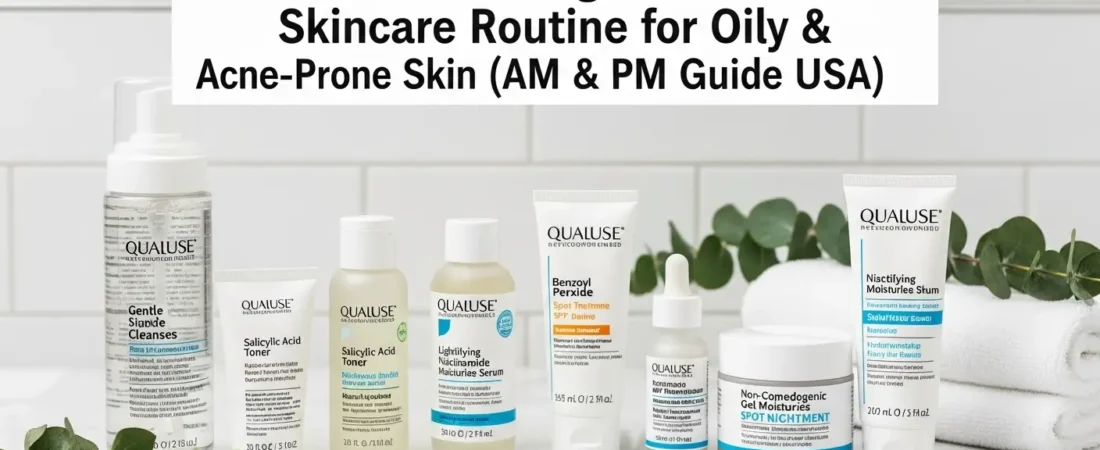
10 Dermatologist-Approved Skincare Routines for Oily & Acne-Prone Skin (AM & PM Guide USA 2025)
10 Proven Dermatologist-Recommended Skincare Routine for Oily & Acne-Prone Skin (AM & PM Guide USA); If you struggle with oily, acne-prone skin, you’re not alone. Millions of Americans struggle with excess shine, clogged pores, and frustrating breakouts that persist despite their best efforts.
The good news? With the right dermatologist-recommended skincare routine, you can finally balance oil production, reduce breakouts, and achieve clearer, healthier-looking skin—without wasting money on products that don’t work.
In this guide, we’ll walk you through 7 proven dermatologist-backed steps to control oily and acne-prone skin. You’ll discover exactly what to do in your morning (AM) and night (PM) routine, along with the best tips and products trusted by dermatologists in the USA.
Understanding Oily and Acne-Prone Skin
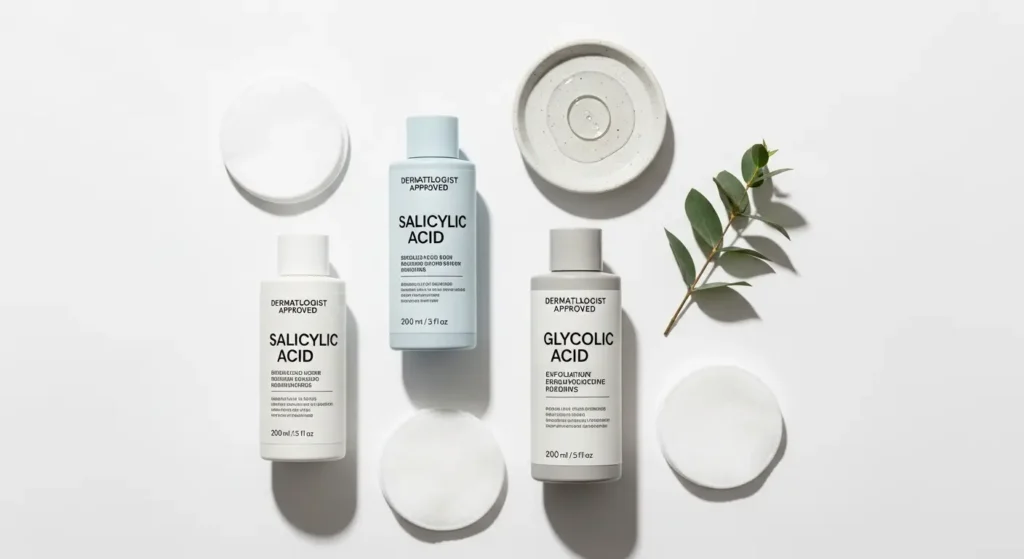
Oily skin happens when sebaceous glands overproduce sebum, clogging pores and causing breakouts. Genetics, hormones, stress, and even weather can make oily skin worse.
👉 If you want more tips on healthy lifestyle habits that influence skin, check out CentsibleWay’s self-care blog.
What Causes Oily Skin?
- Genetics: Inherited skin type
- Hormones: Puberty, periods, or pregnancy
- Climate: Hot, humid weather increases oil
- Over-cleansing: Stripping skin leads to rebound oil
- Wrong products: Harsh, comedogenic ingredients
Morning Skincare Routine for Oily Skin
Your AM routine should focus on cleansing, hydration, and sun protection.
Step 1: Gentle Cleansing – Use non-comedogenic cleansers with salicylic acid or glycolic acid.
Step 2: Toner (Optional) – Look for witch hazel or green tea extract.
Step 3: Treatment Serums – Niacinamide or vitamin C for antioxidant protection.
Step 4: Moisturizer – Lightweight gel formulas with hyaluronic acid.
Step 5: Sunscreen – Always SPF 30+ with oil-free or matte formulations.
👉 External Dermatology Resource: American Academy of Dermatology – Acne Care
Evening Skincare Routine for Acne-Prone Skin
At night, focus on treatment and repair.
Step 1: Double Cleansing – Micellar water or oil cleanser + regular cleanser.
Step 2: Exfoliation (2–3x weekly) – Chemical exfoliants like salicylic acid or lactic acid.
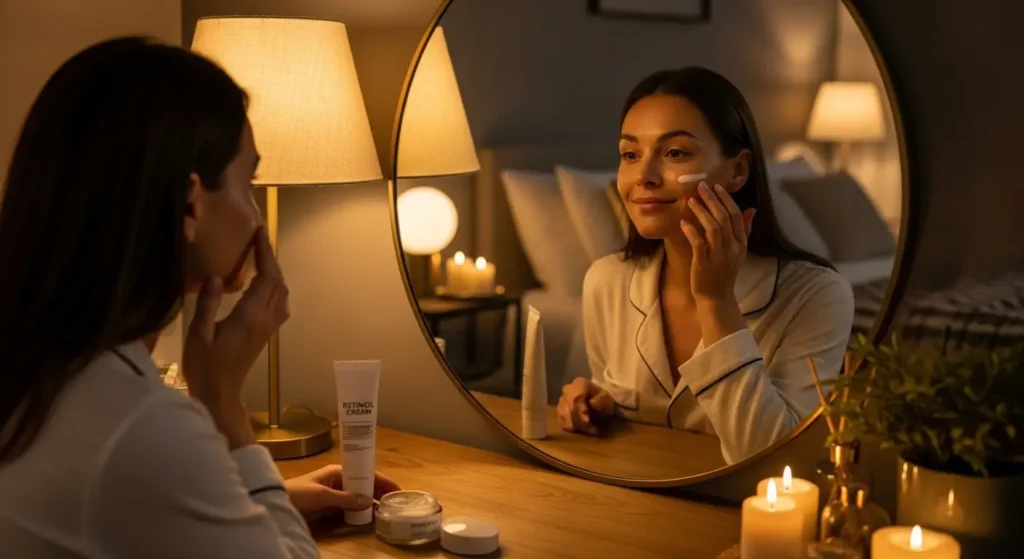
Step 3: Treatment Products – Retinoids, benzoyl peroxide, or azelaic acid.
Step 4: Hydrating Serums – Restore skin barrier with hyaluronic acid.
Step 5: Night Moisturizer – Slightly richer but still non-comedogenic.
Step 6: Spot Treatments – Apply directly to active breakouts.
👉 Also read: CentsibleWay’s wellness tips for lifestyle support.
Key Ingredients to Look For
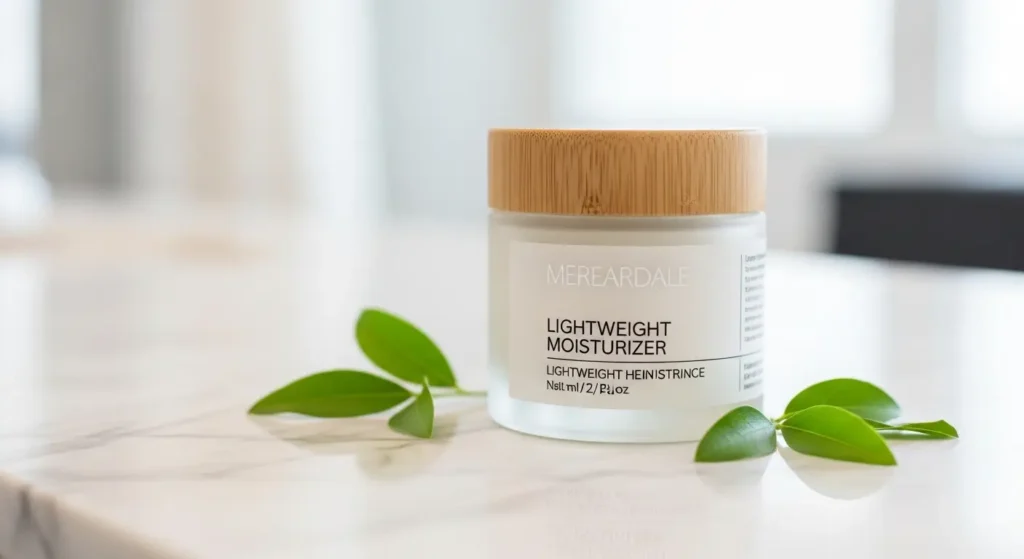
Acne-Fighting:
- Salicylic Acid (BHA) – Clears pores
- Benzoyl Peroxide – Kills acne bacteria
- Retinoids – Boosts cell turnover
Oil-Control:
- Niacinamide – Reduces oil production
- Clay – Absorbs excess oil
Hydration:
- Hyaluronic Acid – Lightweight moisture
- Ceramides – Strengthen skin barrier
Common Mistakes to Avoid
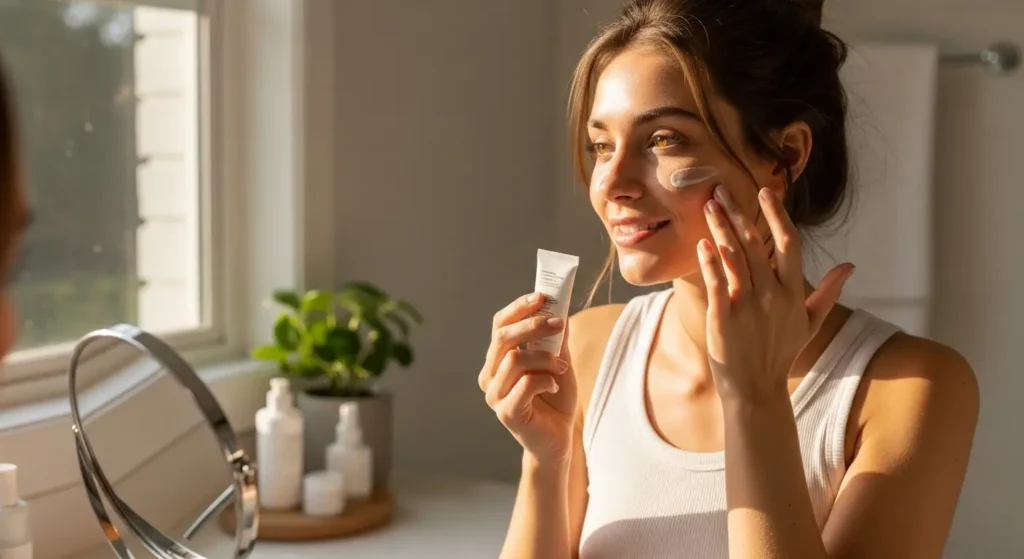
- Over-cleansing: More than twice a day worsens oiliness.
- Skipping moisturizer: Leads to dehydration and more oil.
- Mixing too many actives: Causes irritation.
- Switching products too fast: Wait 6–8 weeks for results.
- Picking pimples: Increases scarring.
👉 Read more on skincare mistakes to avoid.
Product Recommendations
Budget-Friendly
- Cleanser: CeraVe Foaming Facial Cleanser
- Treatment: The Ordinary Niacinamide 10% + Zinc 1%
- Moisturizer: Neutrogena Oil-Free Moisture Gel
Mid-Range
- Cleanser: Paula’s Choice CLEAR Cleanser
- Treatment: Drunk Elephant T.L.C. Framboos Serum
- Moisturizer: Murad Clarifying Oil-Free Water Gel
Professional
- Prescription Retinoids (Tretinoin)
- Clindamycin gel
- Combination therapy (Epiduo)
Professional Tips from Dermatologists
- Consistency matters most – don’t switch routines often.
- Start low with actives – build tolerance slowly.
- Extend routine to neck and chest.
- Track diet & stress – some foods and stress worsen acne.
When to See a Dermatologist
Seek professional help if:
- You have cystic acne or scarring.
- No improvement after 3 months of consistent routine.
- You develop irritation or allergic reactions.
A dermatologist may suggest topical prescriptions, oral meds, or professional treatments like chemical peels.