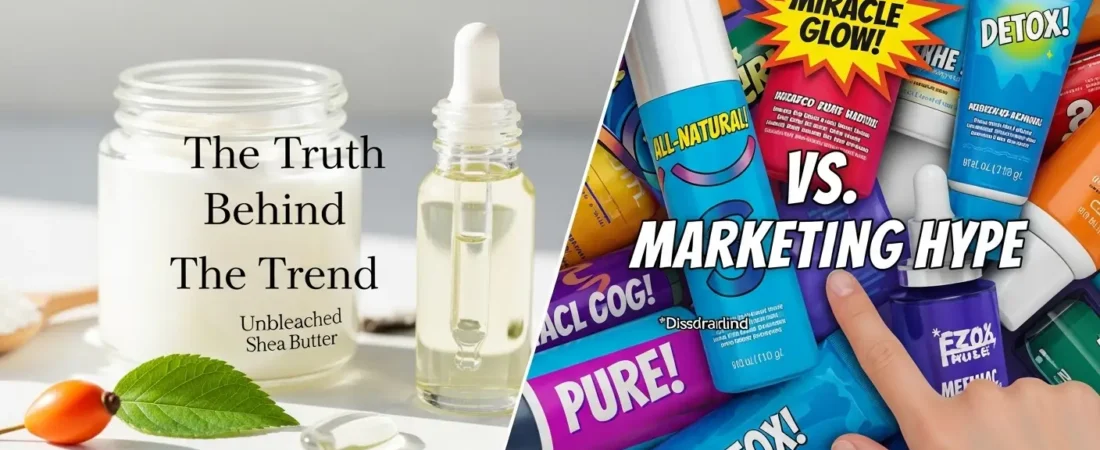
Clean Beauty: The Truth Behind the Trend vs. Marketing Hype is more than just a buzzworthy slogan—it’s a movement that’s reshaping how we think about skincare and cosmetics. While the term promises safer, non-toxic, and ethically sourced products, the lack of regulation means not all “clean” labels are as pure as they seem. Understanding the facts behind the trend can help you separate genuine transparency from clever marketing tricks.
Table of Contents
- Introduction: Why Clean Beauty Matters
- The Truth: What Does “Clean” Really Mean?
- The Hype: Where Marketing Comes In
- Navigating the Trend as a Consumer
- Final Thoughts: Being an Informed Beauty Shopper
1. Introduction: Why Clean Beauty Matters
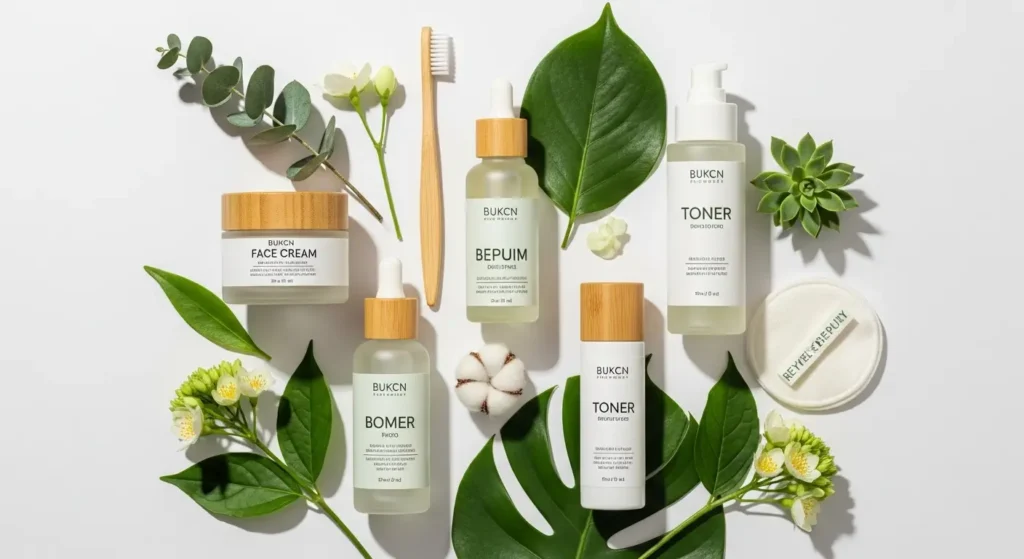
The clean beauty movement has exploded in the U.S. skincare and cosmetics industry. Consumers envision products made from safe, natural ingredients that protect both their skin and the environment. But with this rapid growth comes confusion: how much of “clean beauty” is genuine, and how much is clever marketing?
(Internal link idea: Unlock the Hottest Skincare Ingredients in 2025)
2. The Truth: What Does “Clean” Really Mean?
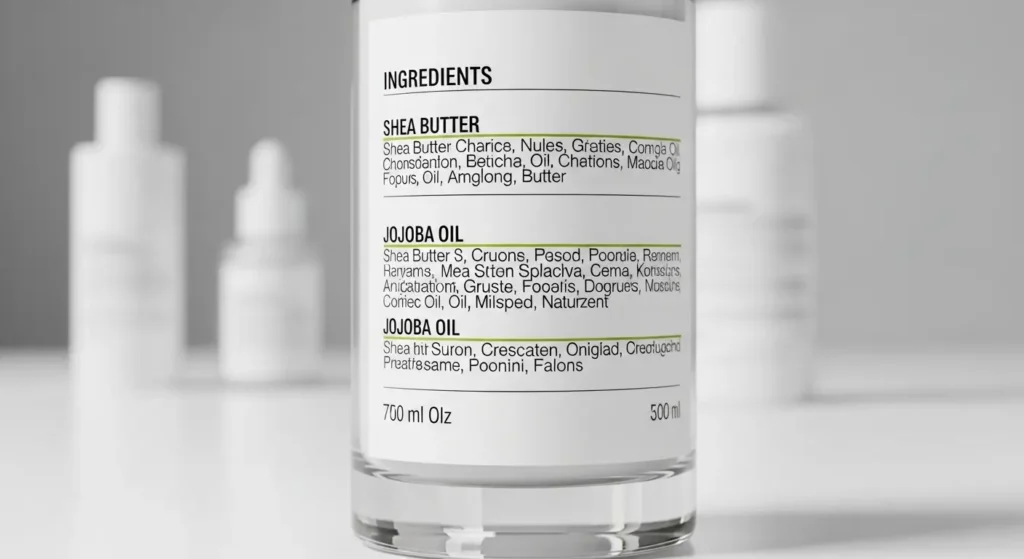
In its purest form, clean beauty refers to products formulated without controversial ingredients like parabens, sulfates, phthalates, and synthetic fragrances. The goal is to avoid components potentially linked to health concerns — though scientific consensus varies on some.
Brands embracing true clean beauty often champion transparency, sharing full ingredient lists and ethical sourcing details. For example, a clean moisturizer might rely on shea butter and jojoba oil instead of petroleum-based fillers.
Brands spotlighting clean practices—like the ones noted in The Must-Have Bath Products That Are Flying Off US Shelves in 2025—clearly illustrate how this demand is reshaping beauty trends
(External link suggestion: EWG’s Skin Deep Ingredient Database)
3. The Hype: Where Marketing Comes In
The issue? In the U.S., “clean beauty” has no legal definition. Unlike “organic” (regulated by the USDA), the term “clean” is self-assigned. Some companies exploit this gap, claiming “clean” status after removing only one or two controversial ingredients.
Marketing hype often feeds into “chemical fear” — suggesting that all synthetics are harmful and all natural ingredients are safe. In reality, many synthetic ingredients are stable, effective, and gentle, while some natural ones (like certain essential oils) can trigger irritation or allergic reactions.
You can learn more about the misconceptions around natural beauty claims in the article on beauty myths still widely believed today; The Top Trending Beauty Myths Americans Still Believe And Why They’re Wrong
4. Navigating the Trend as a Consumer
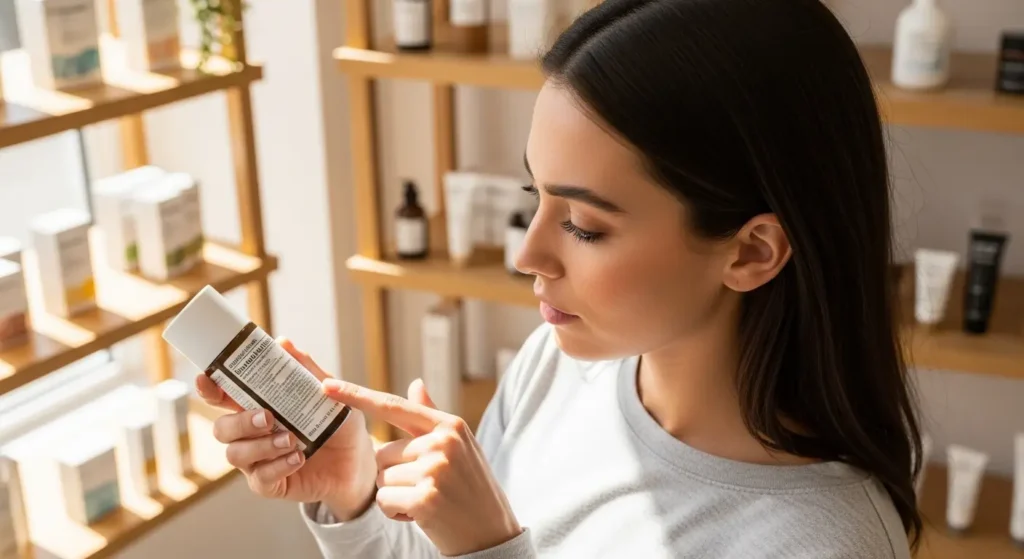
So how do you separate fact from hype? Here are key tips:
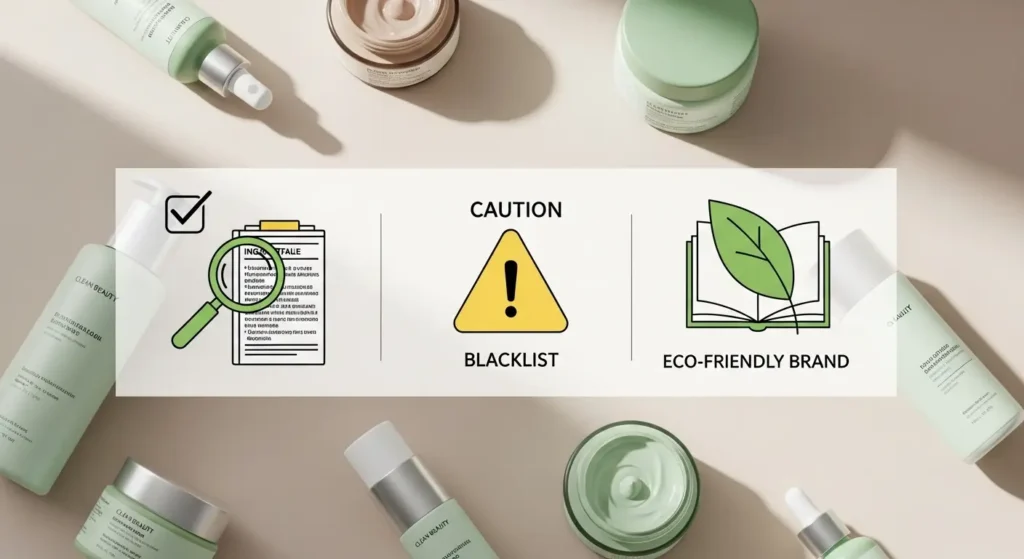
- Read ingredient labels — don’t just trust “clean” on the packaging.
- Learn your personal blacklist — avoid ingredients you know cause sensitivity.
- Research brand transparency — see if they publish their sourcing and formulation details.
Some reliable brands publish their banned ingredient lists, often called “no” or “black” lists, to keep consumers informed.
(External link suggestion: Byrdie’s Clean Beauty Guide)
5. Final Thoughts: Being an Informed Beauty Shopper
The clean beauty movement has inspired healthier formulations, eco-conscious packaging, and greater ingredient transparency. Still, it’s vital to remember that not all clean beauty claims are created equal. By digging deeper than the label, you empower yourself to choose products that truly align with your values.