
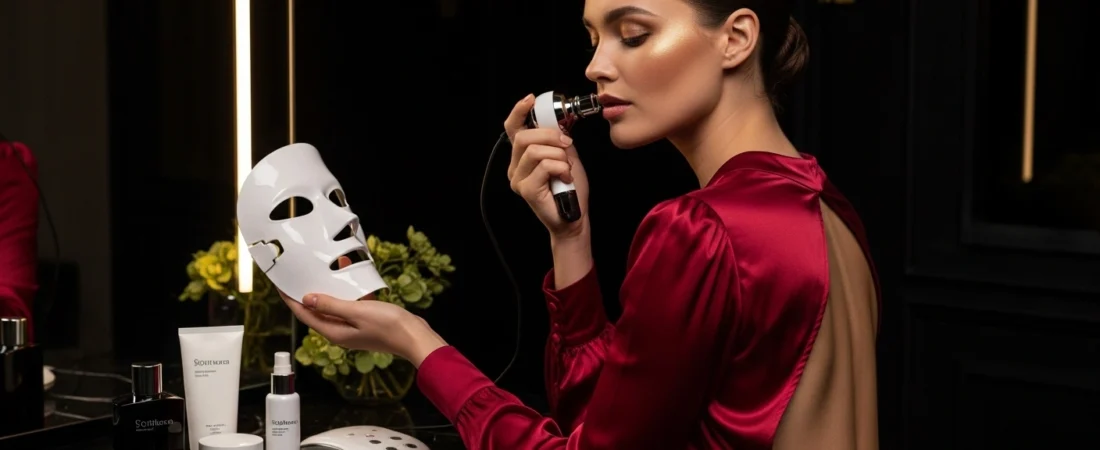
The world of skincare has undergone a remarkable transformation. Once reserved for professional spa visits and dermatology appointments, advanced skin treatments are now a staple in many home routines across the United States. This trend is not just about convenience; it’s about empowerment. People are taking a proactive role in their skin health, using a variety of products to achieve healthier skin. From chemical exfoliants to antioxidant serums, these at-home treatments are changing the game.
Table of Contents
- Introduction to At-Home Skin Treatments
- The Rise of Technology in Your Routine
- Microcurrent Devices: The Non-Invasive Lift
- LED Light Therapy Masks: Beyond the Surface
- The Takeaway
The Rise of Technology in Your Routine
This movement is largely fueled by a new wave of at-home beauty devices that mirror professional tools. These gadgets are designed to be safe for home use, yet powerful enough to make a real difference. Consumers are realizing that with a one-time investment in a high-quality device, they can perform treatments that would otherwise require multiple, costly salon visits. The innovation in this sector is truly impressive, giving people more control over their skin’s appearance and long-term health.
Microcurrent Devices: The Non-Invasive Lift
Imagine being able to give yourself a mini facelift without ever leaving your home. That is the promise of microcurrent devices, and it’s why they have become so popular. These handheld tools use low-level electrical currents to stimulate the muscles in your face. Think of it as a workout for your facial muscles. The result is a toned, more contoured appearance that can help reduce the look of fine lines and wrinkles.
Brands like NuFACE and ZIIP have become household names in this space. Users often report seeing a visible “lift” immediately after a session, with cumulative results becoming more apparent over time. It’s not just about a temporary glow; many people integrate this into their daily routines for its long-term benefits in maintaining firmness and elasticity. The process is simple: you apply a special conductive gel to your skin, then glide the device along your jawline, cheeks, and forehead. It’s a quick, painless ritual that offers a tangible return on a consistent effort.
LED Light Therapy Masks: Beyond the Surface
LED light therapy has long been a go-to treatment in professional settings for everything from acne to anti-aging. Now, with the rise of at-home masks, this technology is more accessible than ever. These masks, which look like something straight out of a science fiction movie, emit different wavelengths of light to target specific skin concerns.
Red Light: This wavelength is the star of the show for its anti-aging properties. It penetrates deep into the skin to stimulate collagen production and reduce inflammation, which can improve skin texture and reduce the appearance of fine lines.
Blue Light: Often used to combat acne, blue light targets and kills the bacteria that cause breakouts. Many people with stubborn acne have found that consistent use helps to clear their complexion without the harsh side effects of some topical treatments.
With brands like Dr. Dennis Gross and Omnilux leading the way, these masks provide a relaxing, spa-like experience that works on a cellular level. You simply put on the mask for a few minutes each day, and the light does the work.
The Takeaway
While these at-home treatments offer compelling benefits, it is important to remember that consistency is key. These devices are not a magic bullet; they require dedication and regular use to achieve and maintain results. As always, consulting with a dermatologist before starting any new treatment is a wise decision, especially if you have specific skin concerns. However, for those looking to elevate their skincare routine, these innovative at-home devices provide a powerful way to take control of your skin’s health and appearance.